
Africa
A Guide to Shark Diving and Marine Wildlife
Cape Town is one of the few places in the world where you can experience a wide range of marine wildlife within a short distance of the city. The coastline offers access to whales, dolphins, seals, and sharks, all supported by a unique ocean ecosystem shaped by two major currents.
For travellers looking to go beyond standard sightseeing, ocean-based experiences provide a direct connection to the natural world. Among these, shark diving stands out as one of the most structured and widely recognised activities available in South Africa.
This guide explains how shark diving works, where to go, and how to choose the right experience based on your travel plans.
Why Cape Town Is a Leading Marine Destination
Cape Town’s location creates ideal conditions for marine life. The interaction between the Atlantic and Indian Ocean oceans supports a diverse ecosystem that attracts a wide range of species.
False Bay, located near Cape Town, has been studied for decades and remains one of the most accessible marine environments globally. The proximity to the city means visitors can reach key launch points quickly, without the need for long travel days.
This accessibility makes Cape Town one of the most practical destinations for ocean-based experiences.
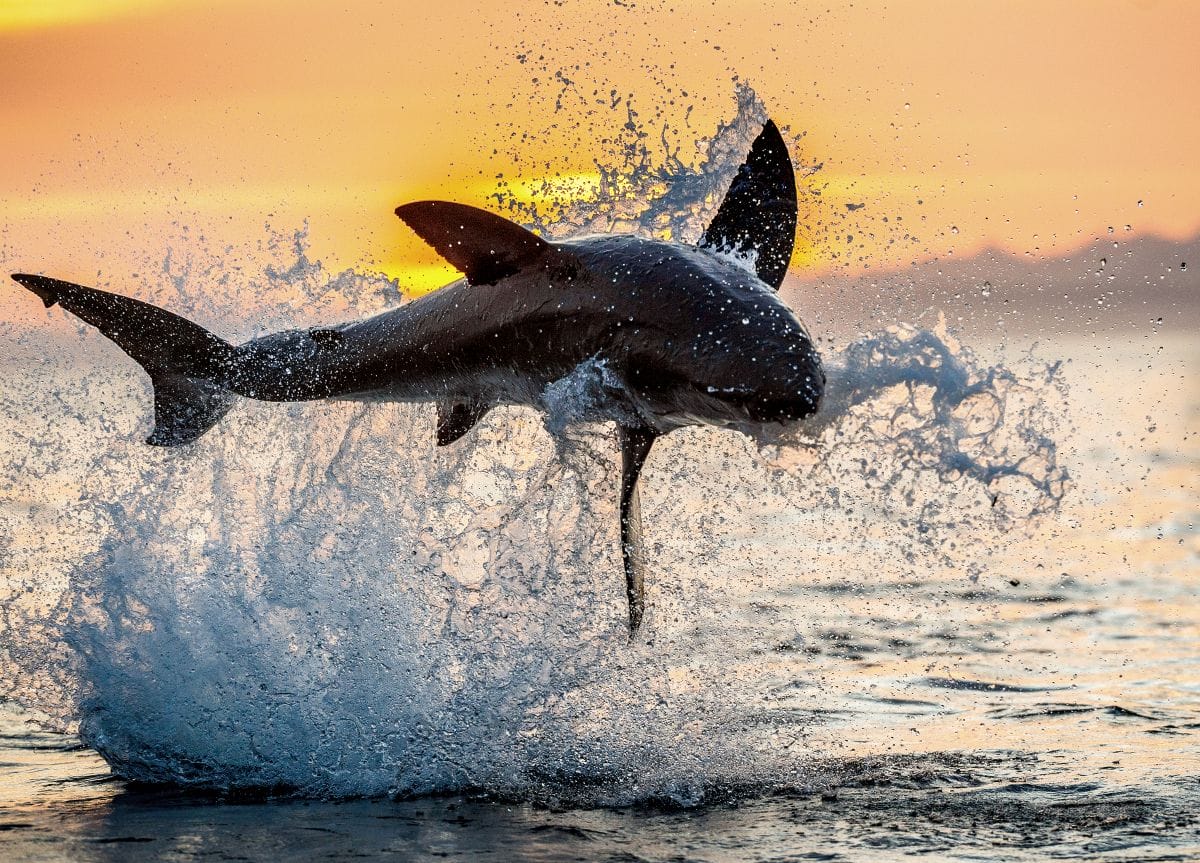
Great White – False Bay, Cape Town
What Makes Shark Diving Unique
Shark diving is not a typical tour. It is a controlled wildlife experience designed to allow observation without interfering with natural behaviour.
The activity involves a cage attached to the side of a boat. Participants enter in small groups and hold onto the bars while sharks move through the water nearby. When a shark approaches, guests can lower their heads below the surface to view it clearly.
There is no need for scuba certification, which makes the experience accessible to most visitors.
For those planning a trip, shark cage diving Cape Town offers one of the most structured ways to observe sharks directly in Cape Town.
Where Shark Diving Takes Place
Shark diving in Cape Town takes place in False Bay, with trips departing from Simon’s Town in Cape Town. This allows visitors to access the experience easily.
The location provides direct access to active marine areas while maintaining a coordinated and efficient trip format.
In contrast to more remote destinations, this setup improves both convenience and consistency.
What Sharks Can You Expect to See
Shark sightings in Cape Town have evolved over time. While great white sharks were historically the most commonly observed species, changes in the marine ecosystem have influenced their presence.
Today, visitors are more likely to encounter:
- Bronze whaler sharks
- Sevengill sharks
These species are active and often provide strong viewing opportunities.
It is important to understand that sharks are wild animals. Sightings can vary depending on environmental conditions such as water temperature, visibility, and seasonal patterns.
The Role of Research in Shark Diving
Shark diving in Cape Town is closely linked to marine research. Operators spend a significant amount of time observing sharks, which allows them to collect valuable data.
This includes:
- Tracking shark sightings
- Monitoring behaviour
- Understanding environmental changes
Over time, this information contributes to broader conservation efforts and helps improve how the activity is managed.
For visitors, this adds an educational layer to the experience. It is not just about seeing sharks, but also understanding their role in the ecosystem.
Safety and Regulation
Safety is a central part of shark diving operations in South Africa. Licensed operators must follow strict guidelines that cover equipment, crew training, and environmental practices.
Before entering the water, guests receive a safety briefing that explains:
- How the cage works
- How to position yourself
- What to expect during the dive
The cage remains attached to the boat and is monitored by crew at all times. his ensures the experience remains controlled and well managed
For most visitors, this planned approach is what makes shark diving both accessible and safe.
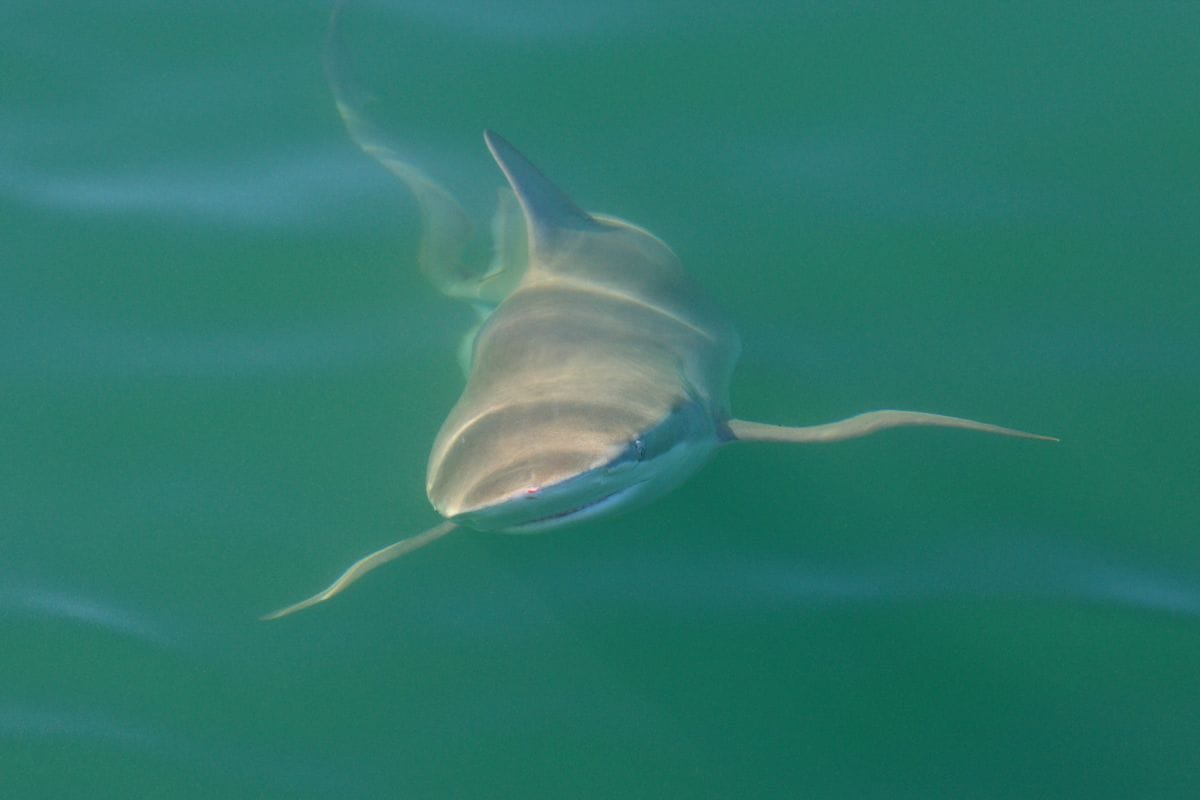
Bronze Whaler Shark
Cape Town vs Gansbaai: Understanding the Difference
Cape Town offers shark diving directly from within the city, with trips operating in False Bay and departing from Simon’s Town. This allows visitors to access the experience without leaving Cape Town.
In comparison, Gansbaai is located in the Overberg region of the Western Cape, around two and a half hours from the city. Trips to this area typically require a full-day commitment due to travel time.
If you are comparing options, shark cage diving Gansbaai provides a different experience due to its location and trip structure.
Key Differences
Cape Town (False Bay):
- Based in Cape Town
- Half-day trips
- No long-distance travel required
Gansbaai (Overberg):
- Located outside Cape Town
- Full-day experience
- Requires travel from the city
For most travellers, Cape Town is the more convenient option. Gansbaai may appeal to those who prefer a road trip.
Planning Your Shark Diving Experience
To make the most of your shark diving experience, it is important to plan ahead.
Choose an Experienced Operator
The quality of your experience depends heavily on the operator. Look for companies with a strong track record, clear safety procedures, and consistent operations.
Understand the Schedule
Most Cape Town trips are half-day experiences. This allows you to combine shark diving with other activities during your stay.
Be Flexible With Conditions
Ocean conditions can change. Weather and visibility may affect trip schedules, so it is useful to allow some flexibility in your plans.
Know What Is Included
Standard packages usually include:
- Boat transfer
- Safety equipment
- Wetsuits
- Guidance from crew
Checking these details in advance helps avoid confusion on the day.
Other Marine Experiences in Cape Town
While shark diving is one of the most recognised activities, there are several other ways to experience the ocean.
Snorkelling
One of the most unique experiences is diving in the Great African Seaforest.
Whale Watching
During the right season, whale watching is one of the main attractions. Southern right whales can often be seen along the coast.
Kayaking
Kayaking trips provide a quieter way to explore the coastline. It is common to encounter seals and seabirds during these outings.
Boat Cruises
Boat-based tours offer a broader overview of marine life and are suitable for visitors who prefer a less immersive experience.
These activities can be combined with shark diving to create a well-rounded marine itinerary.
Why Shark Diving Continues to Grow in Popularity
Shark diving has remained popular because it offers a direct and structured way to engage with wildlife. Unlike passive viewing experiences, it places you close to the action while maintaining safety.
It also appeals to a wide range of travellers, from first-time visitors to those with a strong interest in marine environments.
The combination of accessibility, structure, and educational value makes it one of the most consistent experiences available in Cape Town.
Final Thoughts
Cape Town offers one of the most accessible marine environments in the world. With direct access to False Bay and a strong foundation in research and conservation, it provides a reliable setting for ocean-based experiences.
For travellers looking for an organised and engaging activity, shark cage diving Cape Town offers a direct, city-based experience in False Bay.
If you are willing to travel beyond the city, shark cage diving Gansbaai provides an alternative experience in the Overberg region.
Both options provide the opportunity to observe sharks in their natural environment and gain a better understanding of marine ecosystems.
With the right planning and a focus on quality operators, shark diving can become one of the most memorable parts of your time in South Africa.

Sara Essop is a travel blogger and writer based in South Africa. She writes about family travel and experiences around the world on her blog “In Africa and Beyond”. Although she has been to 53 countries thus far, she especially loves showcasing her beautiful country and is a certified South Africa Specialist.
Disclaimer: This story is auto-aggregated by a computer program and has not been created or edited by Worldtravelers.
Publisher: Source link
Publisher: Source link

Latest Posts
-
 31 July 2025
 -
 26 July 2025
 -
 14 July 2025
 -
 01 July 2025
 -
 07 August 2025
 -
 29 July 2025
 -
 20 February 2025
 -
 04 February 2025
Get The Best Blog Stories into Your icountox!
Sign up for free and be the first to get notified about new posts.