
Michigan traveling
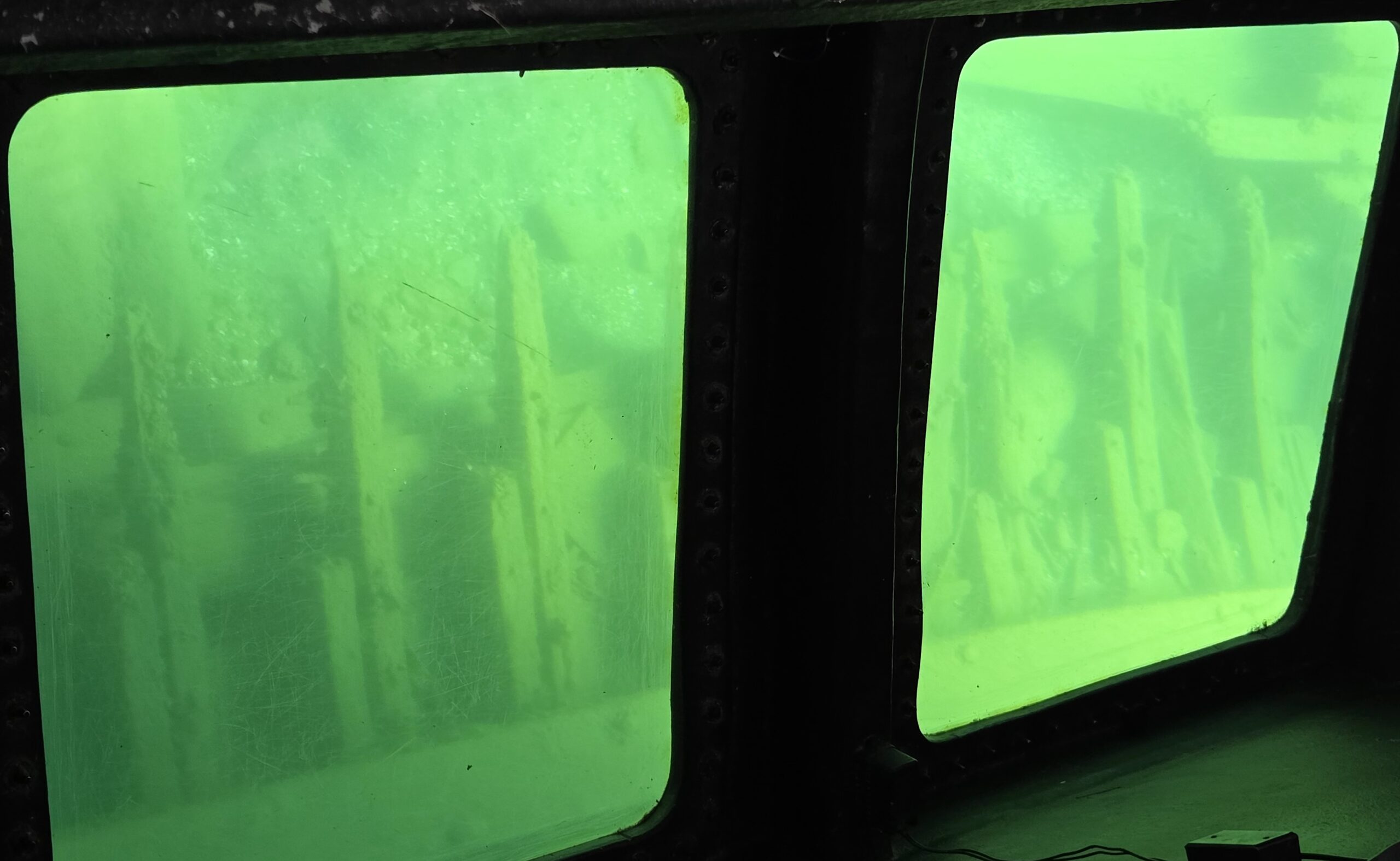
The Thunder Bay National Marine Sanctuary and Underwater Preserve covers 4,300 square miles of Lake Huron off the east coast of Michigan’s Lower Peninsula. There are around 100 shipwrecks in this marine sanctuary, many of which remain at least partially intact thanks to Lake Huron’s cold and fresh water. One of the best ways to visit and see some of the underwater shipwrecks is to take a boat trip with Alpena Shipwreck Tours. We recently took a cruise aboard the Lady Michigan and were able to see two shipwrecks incredibly well through the glass bottom viewing wells on the ship. This is a great trip for the entire family and it offers up plenty of great scenery along the way!
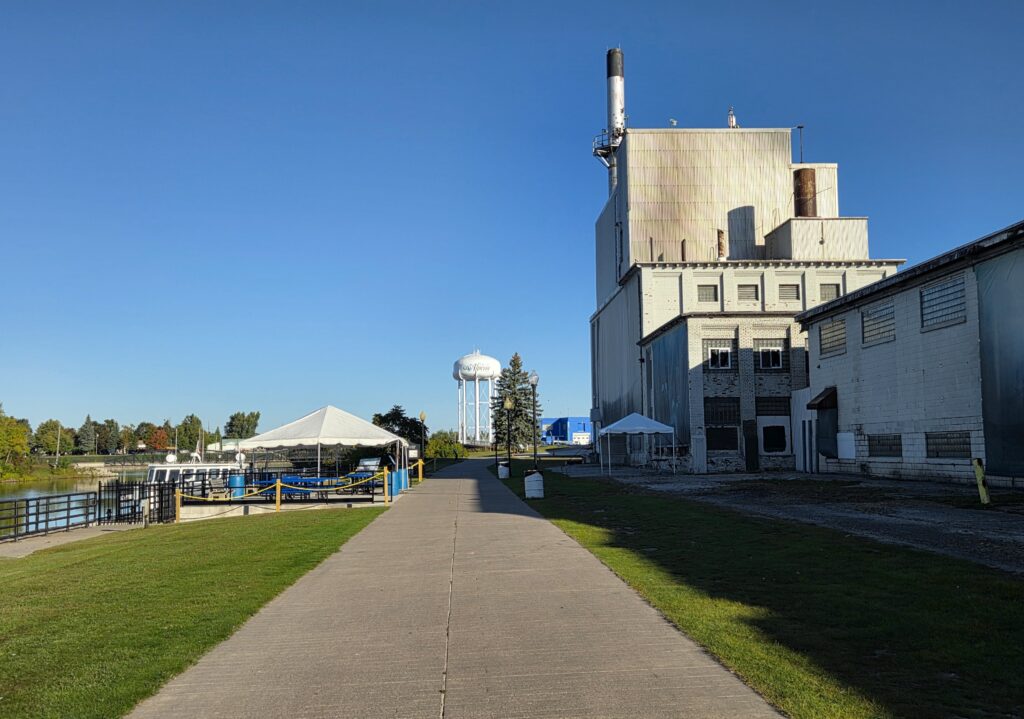
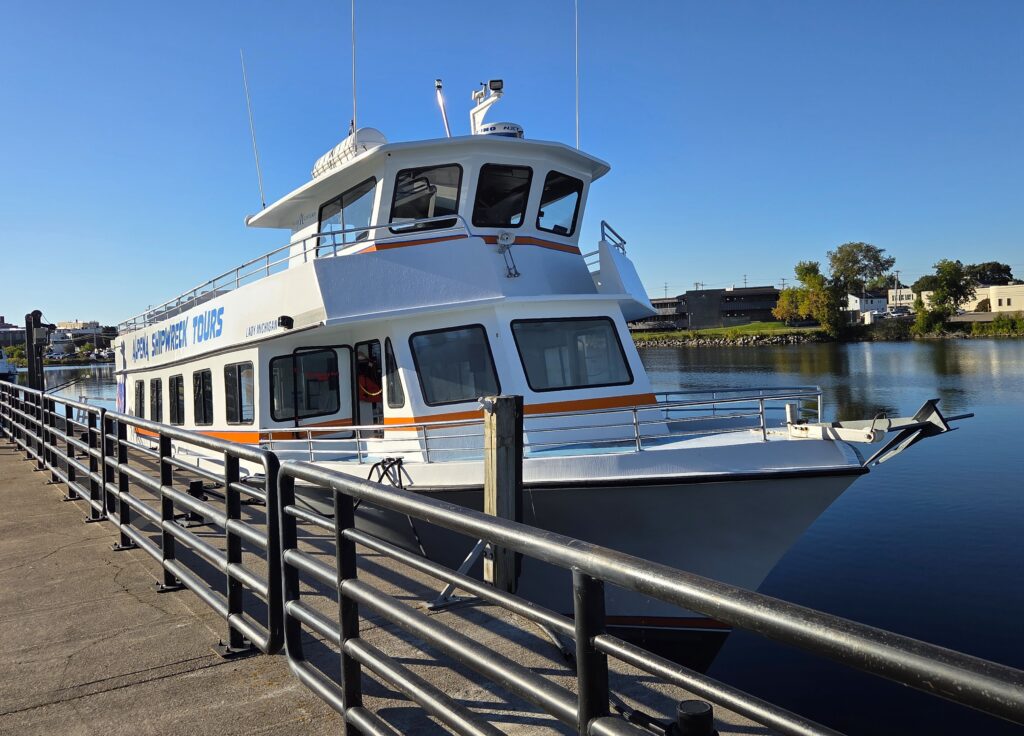
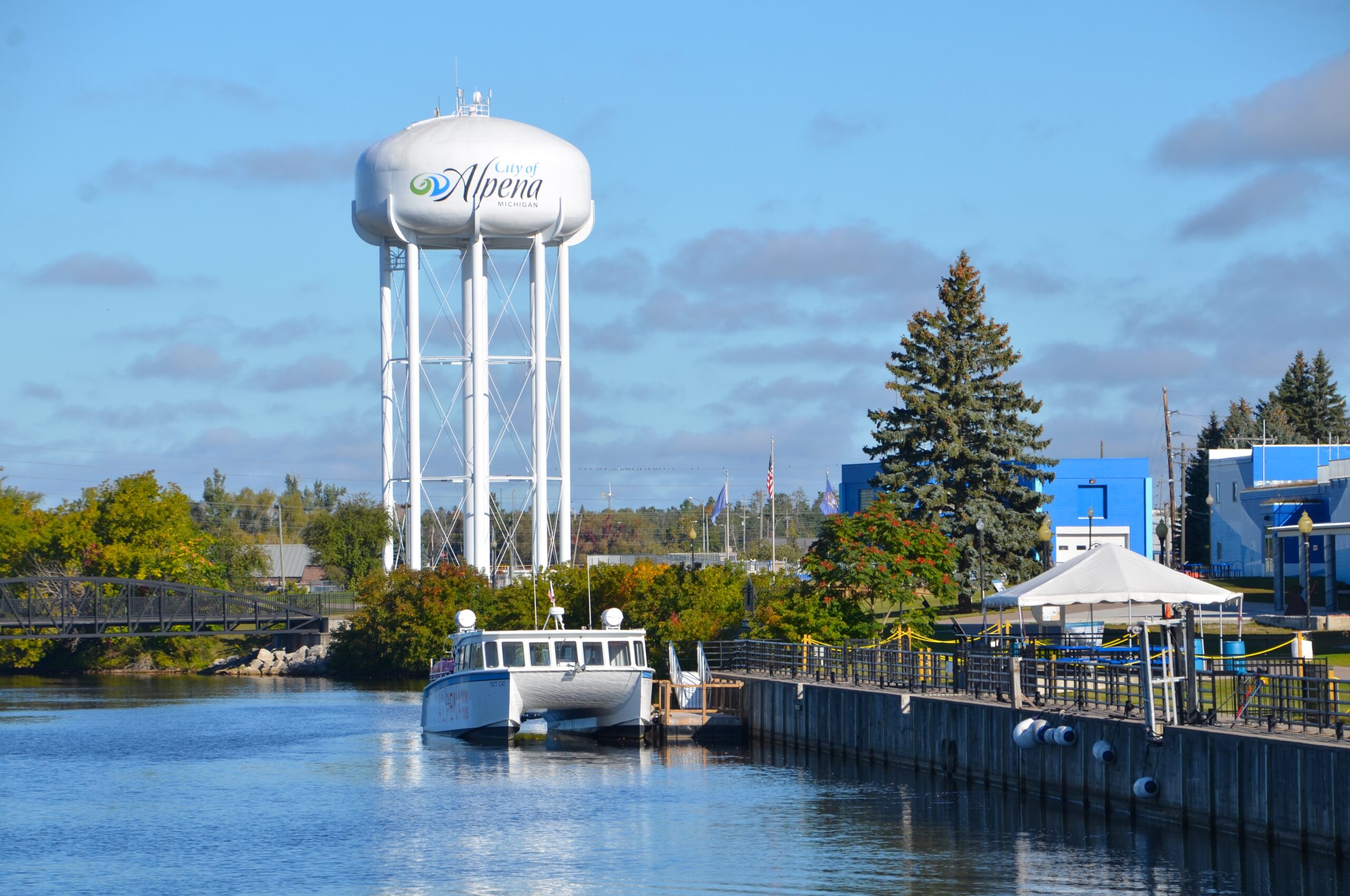
Alpena Shipwreck Tours depart from behind the NOAA Great Lakes Maritime Heritage Center. The Lady Michigan can hold 80 passengers on its two decks, and two viewing wells on the lower deck provide the close-up looks at the shipwrecks of Lake Huron. A second boat, the Tatt Cat, is a catamaran that takes passengers and kayaks out into the marine sanctuary where they can then paddle over shallow water shipwrecks. There are typically two departure times per day during the summer season (late May – early October) and all cruises are weather dependent. If you’ve ever been to Mackinac Island on a Shepler’s or Star Line ferry boat, then the ride on the Lady Michigan will feel very familiar.
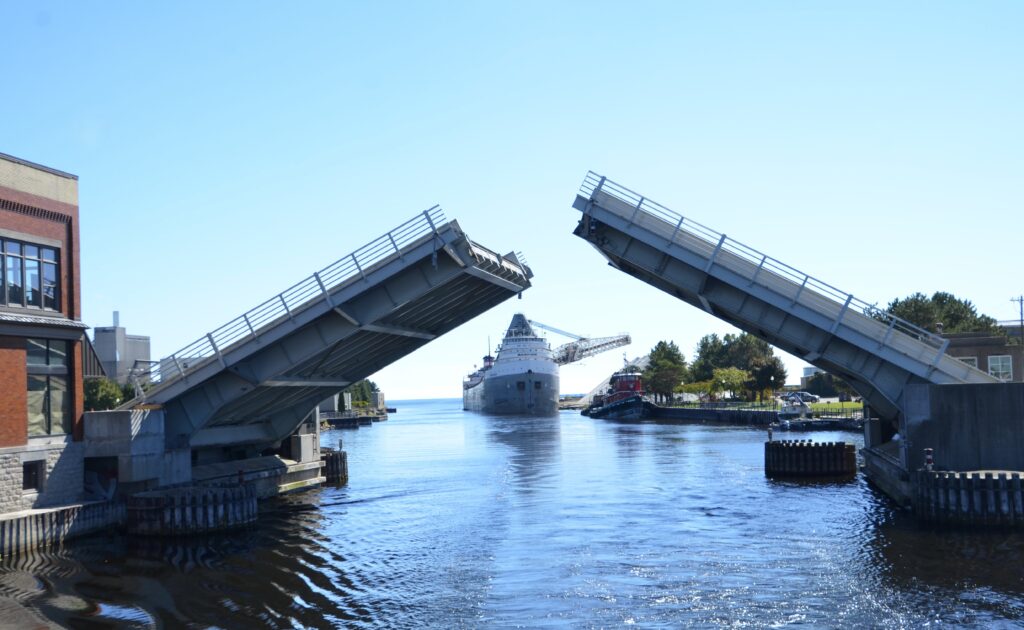
We couldn’t have asked for better weather for our cruise at the end of September, and before long we were headed down the Thunder Bay River to Lake Huron. Along the way we passed by some of Alpena’s landmarks, and even had the added treat of getting a close-up view of the freighter Saginaw as it delivered a cargo of road salt for the upcoming winter. Here’s a few of the things you’ll see as you head out to the lake:
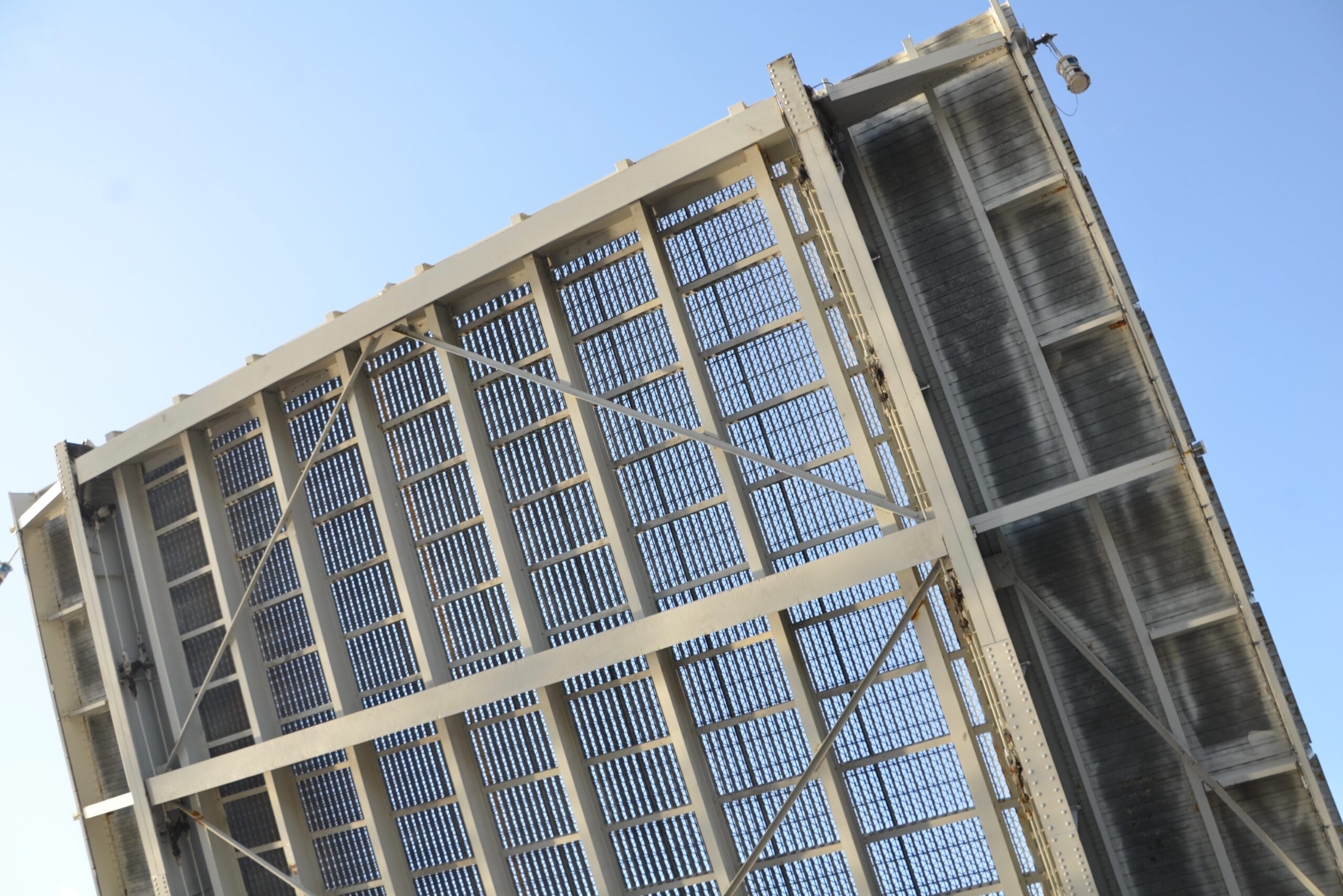
The Second Avenue drawbridge has to raise to allow larger boats to pass through. This is a double-leaf bascule bridge that dates back to 1939. The bridge still sees quite a bit of daily traffic and the downtown roadways can get a bit backed up when the bridge is up.
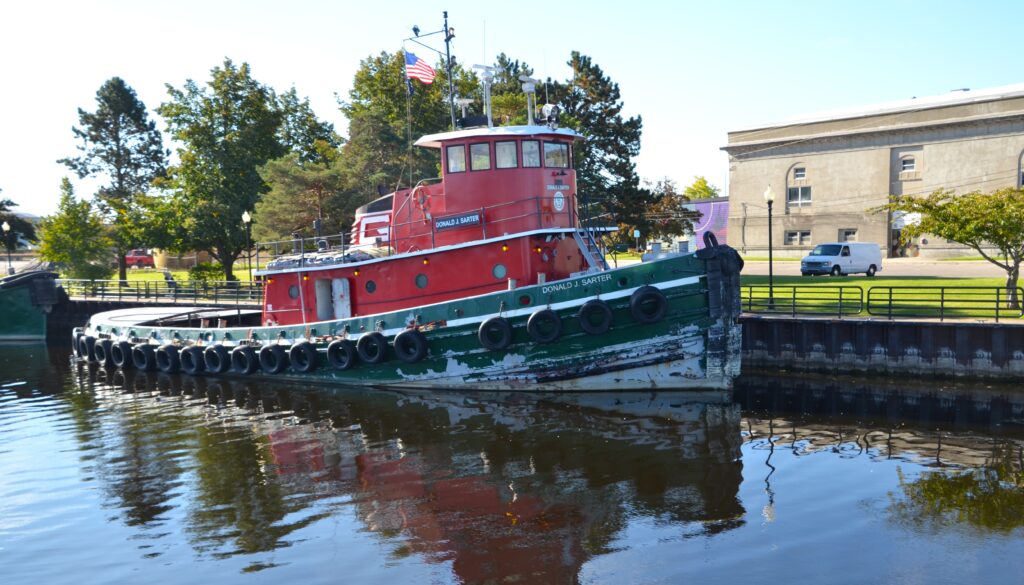
We also saw the tugboat Donald J. Sarter, an 87 foot long boat that was built in 1964 and can frequently be spotted on the Great Lakes.
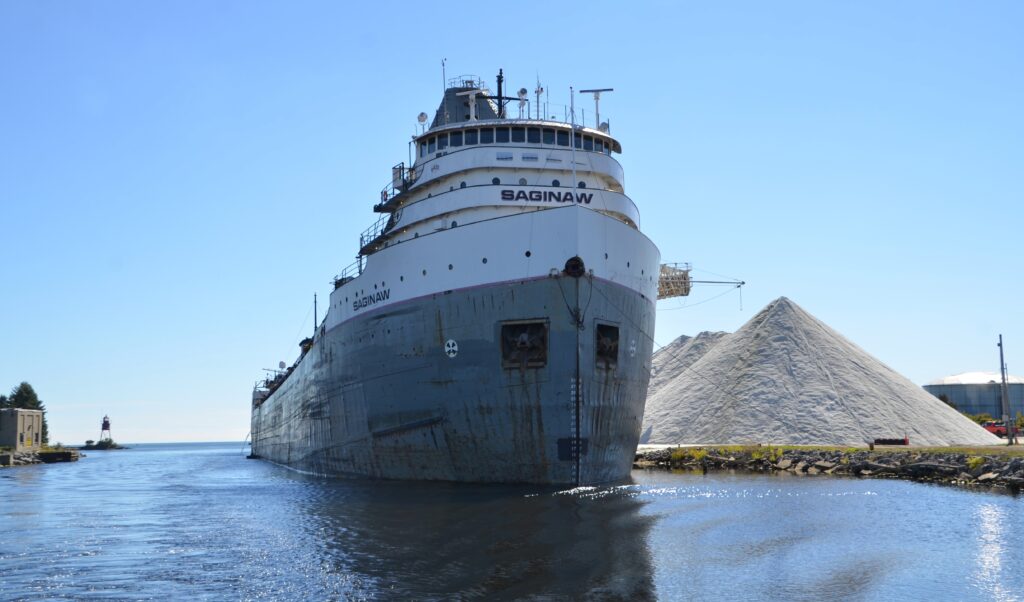
The freighter Saginaw was unloading salt at the dock just before the municipal marina and it was quite a treat to get to see this Great Lakes workhorse up close. Originally launched as the John J. Boland, the Saginaw is 639 feet long and has been operating on the lakes since 1953 for the American Steamship Company, Lower Lakes Towing, and now the Algoma Central Corporation.
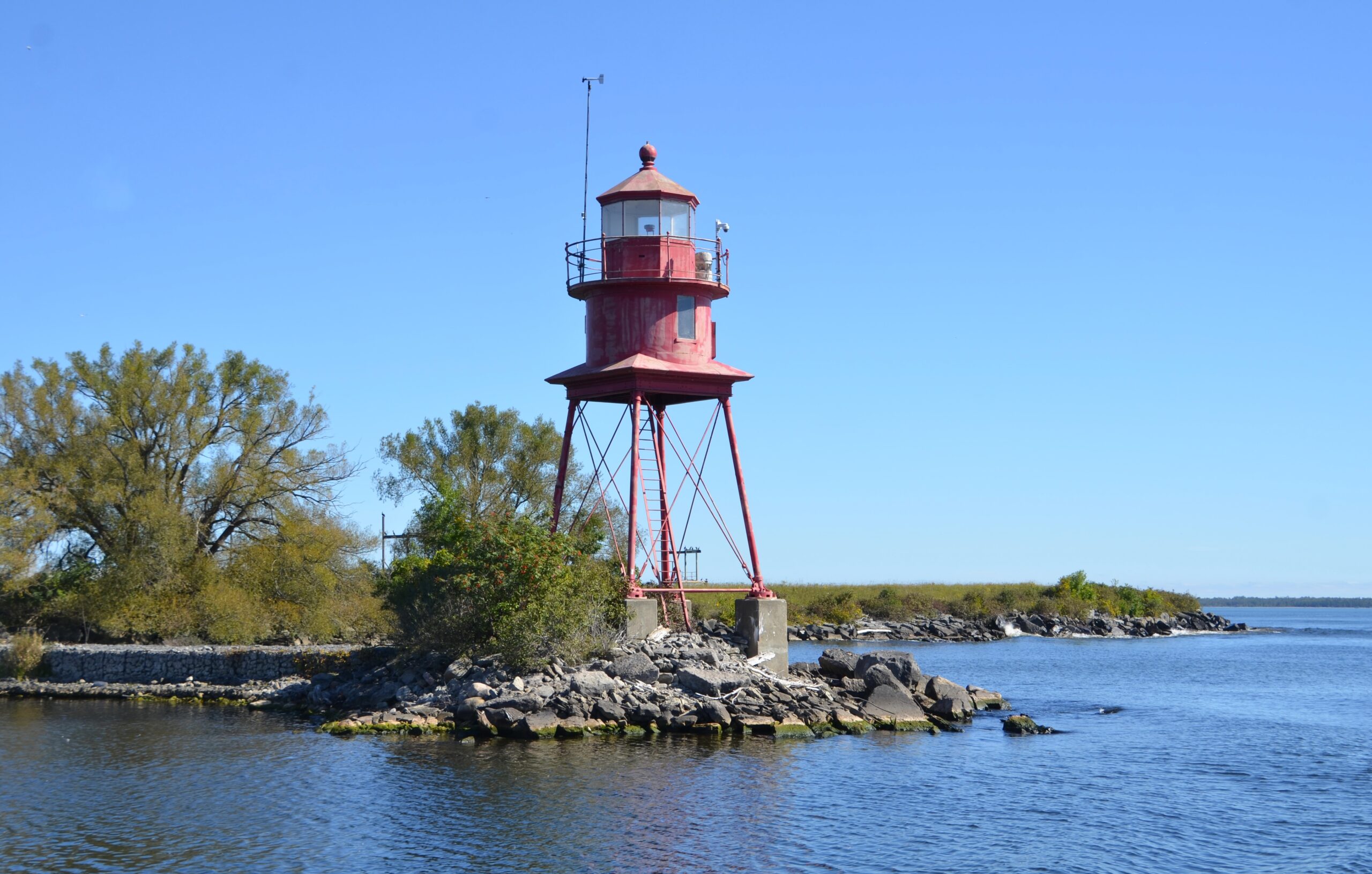
The next Alpena icon we passed was the Alpena Light, a unique 1914 lighthouse that marks the entrance to the Thunder Bay River from Thunder Bay. It is the only light of its kind on the Great Lakes, with a small lantern room sitting at the top of a skeletal tower. It stands 34 feet tall and stands out due its bright red paint job.
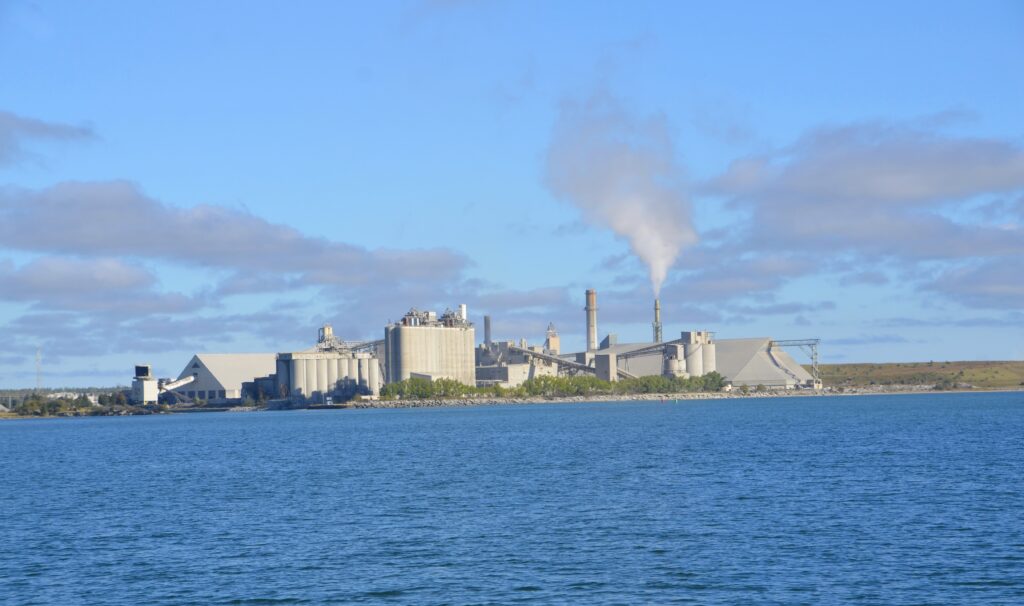
After passing the lighthouse we could see the massive AMRIZE cement plant, one of the largest facilities of its kind in the world. In operation for over 100 years under various names, this facility ships out close to 2 million tons of cement each year!
The tours visits different shipwrecks based on weather conditions and water clarity and for our trip we were fortunate to have the right circumstances to make a trip out to Thunder Bay Island possible. The first shipwreck we visited was the New Orleans, an 1840s wooden sidewheeler that rests at a depth of around 15 feet.
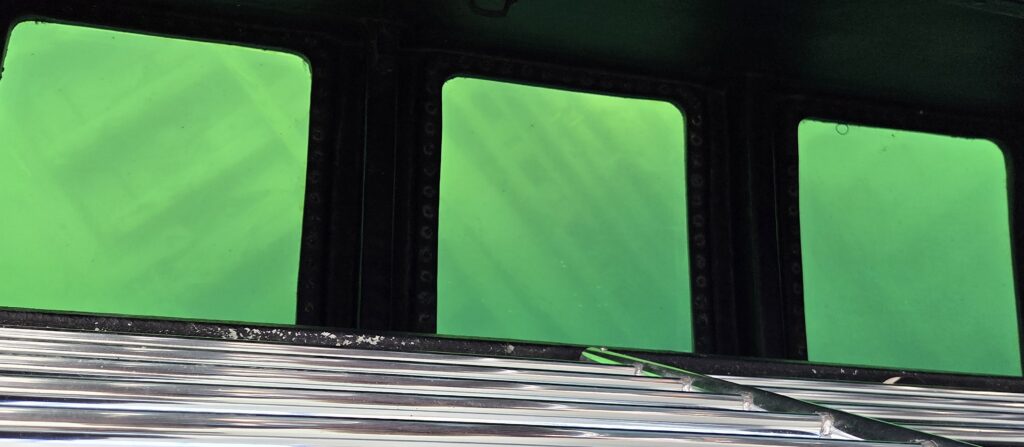
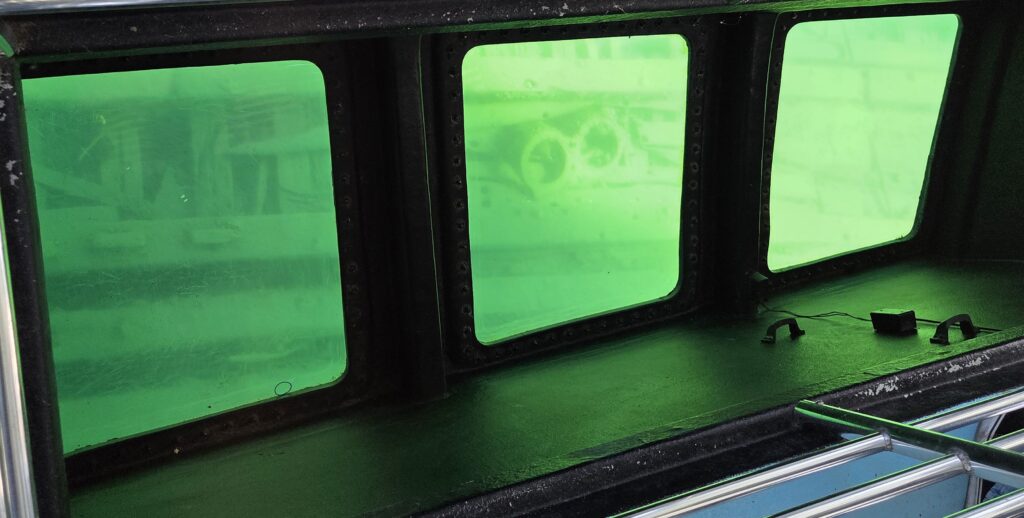
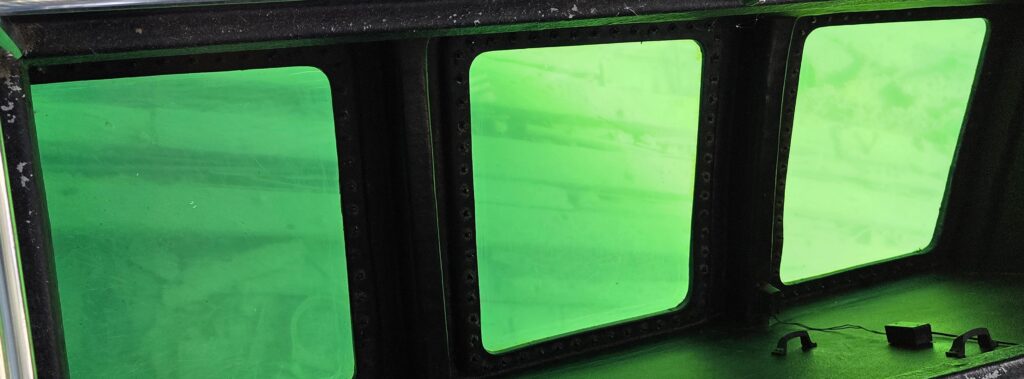
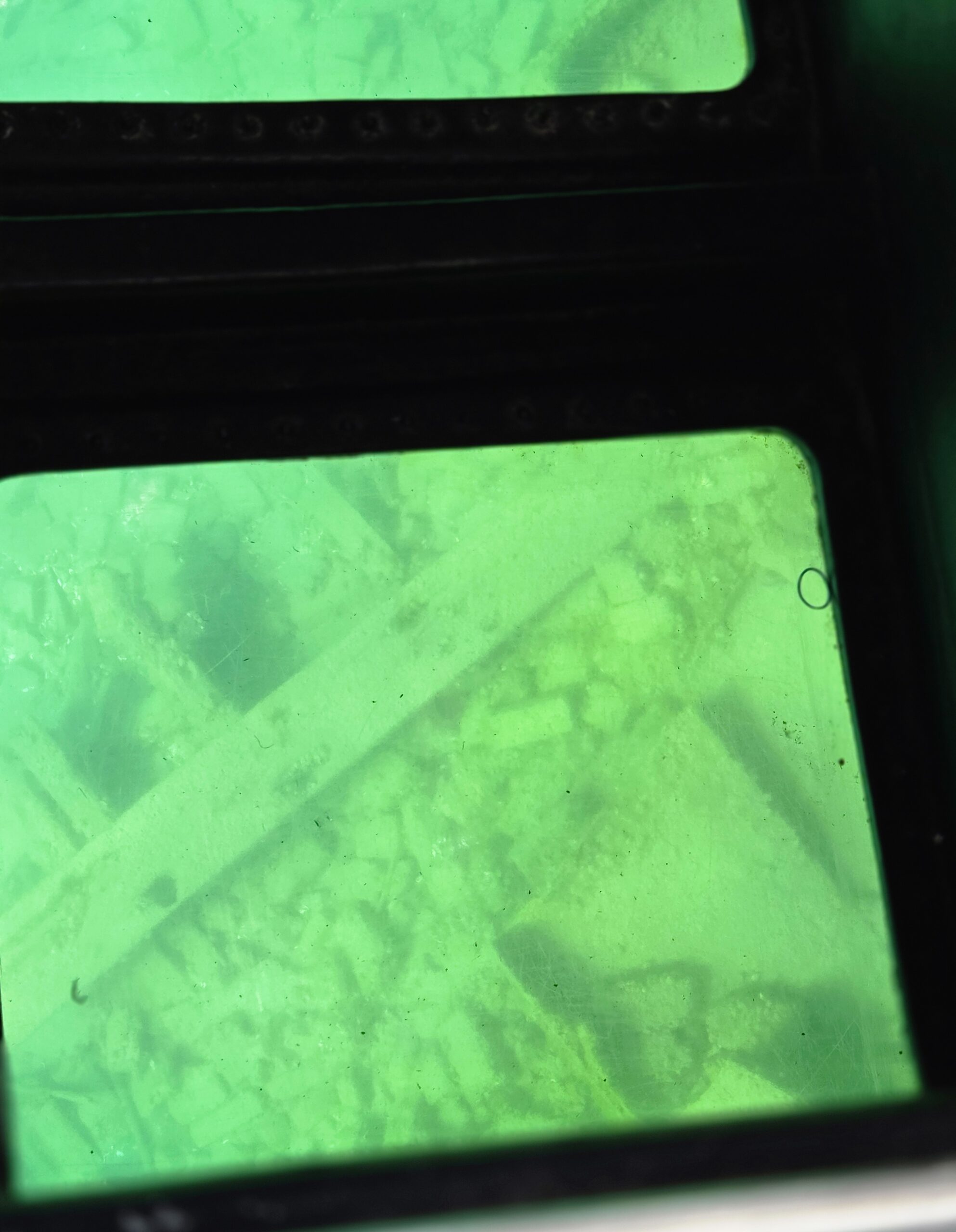
The New Orleans grounded here between Thunder Bay Island and Sugar Island in 1849, and all crew were able to be rescued. Large sections of the hull are preserved here and make this one of the most popular shipwrecks for viewing in the marine sanctuary.
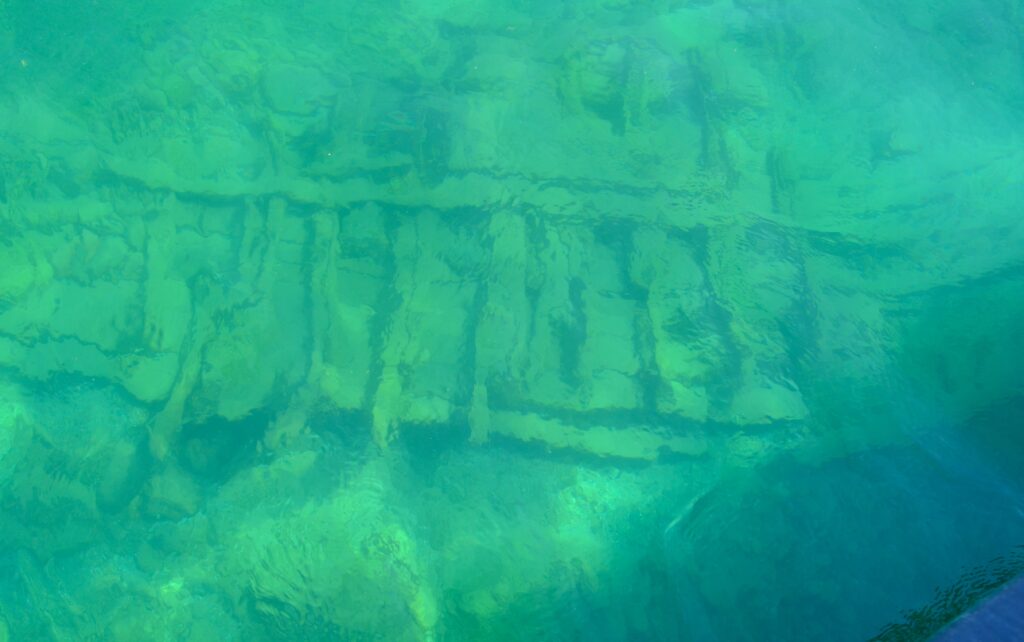
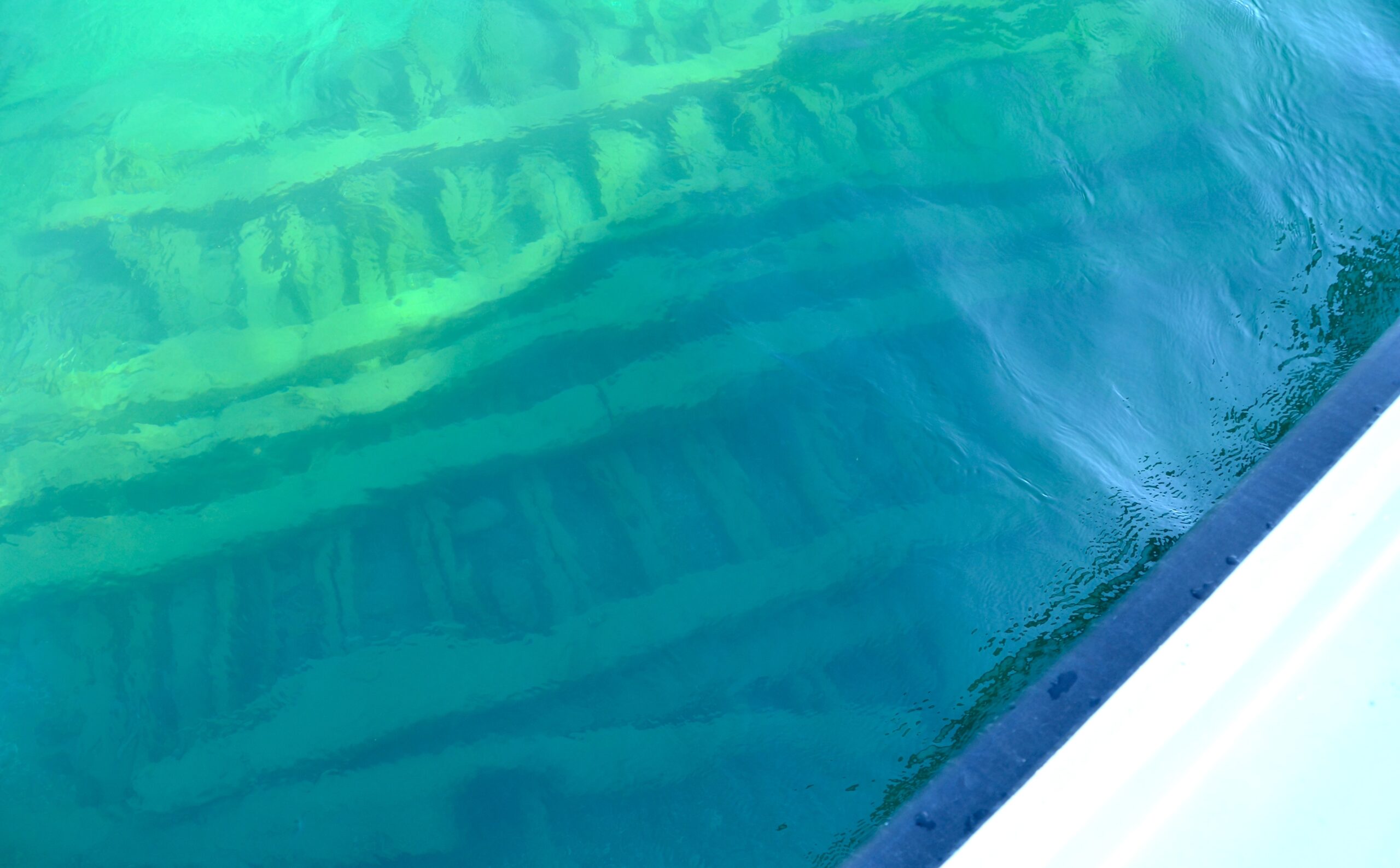
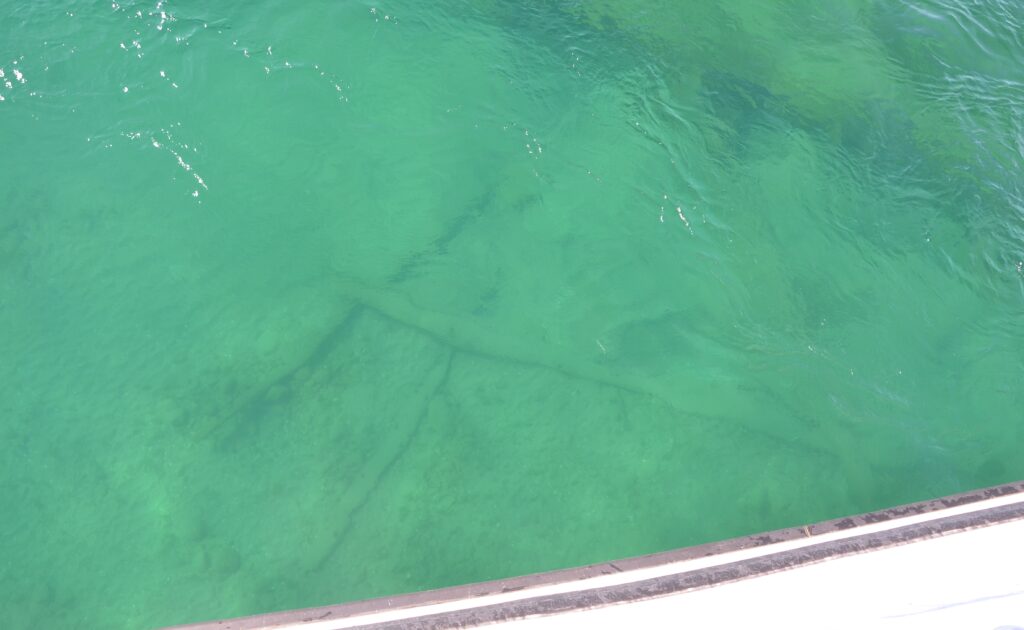
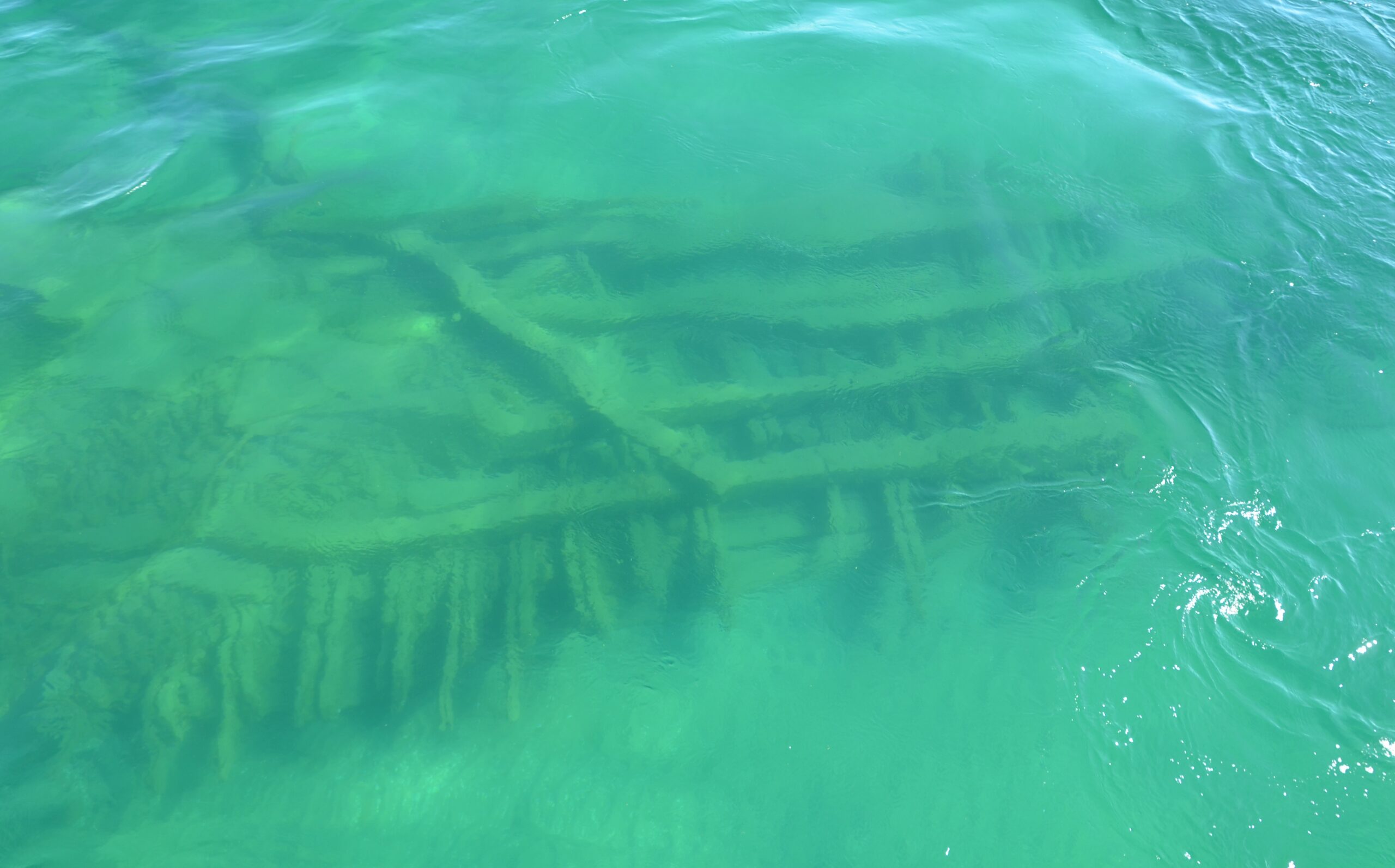
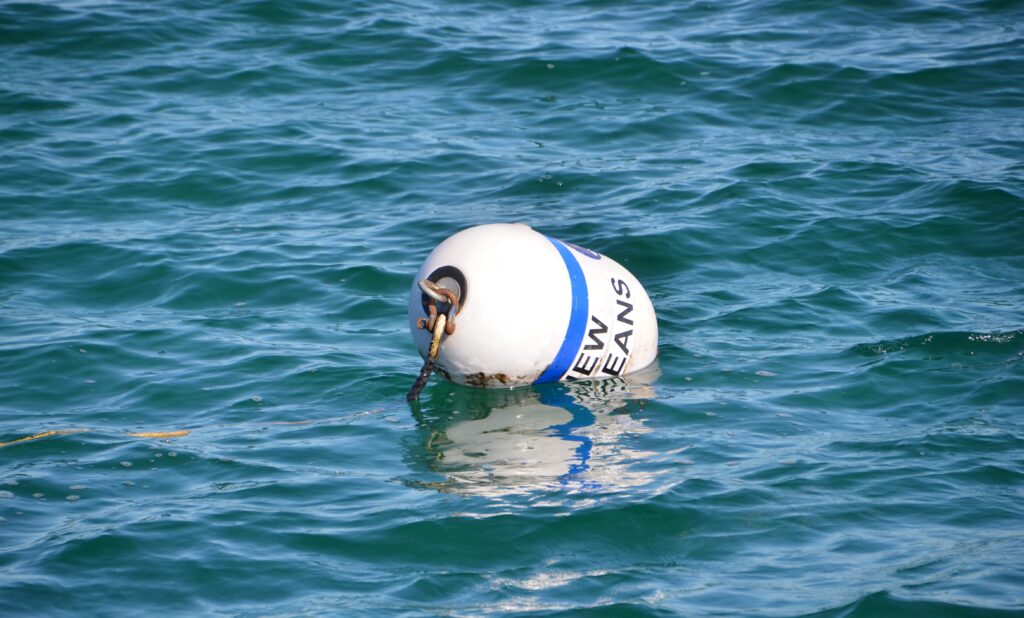
The boat made several passes over the remains of the ship, and the clear water provided views through the viewing wells as well as from the back of the boat.
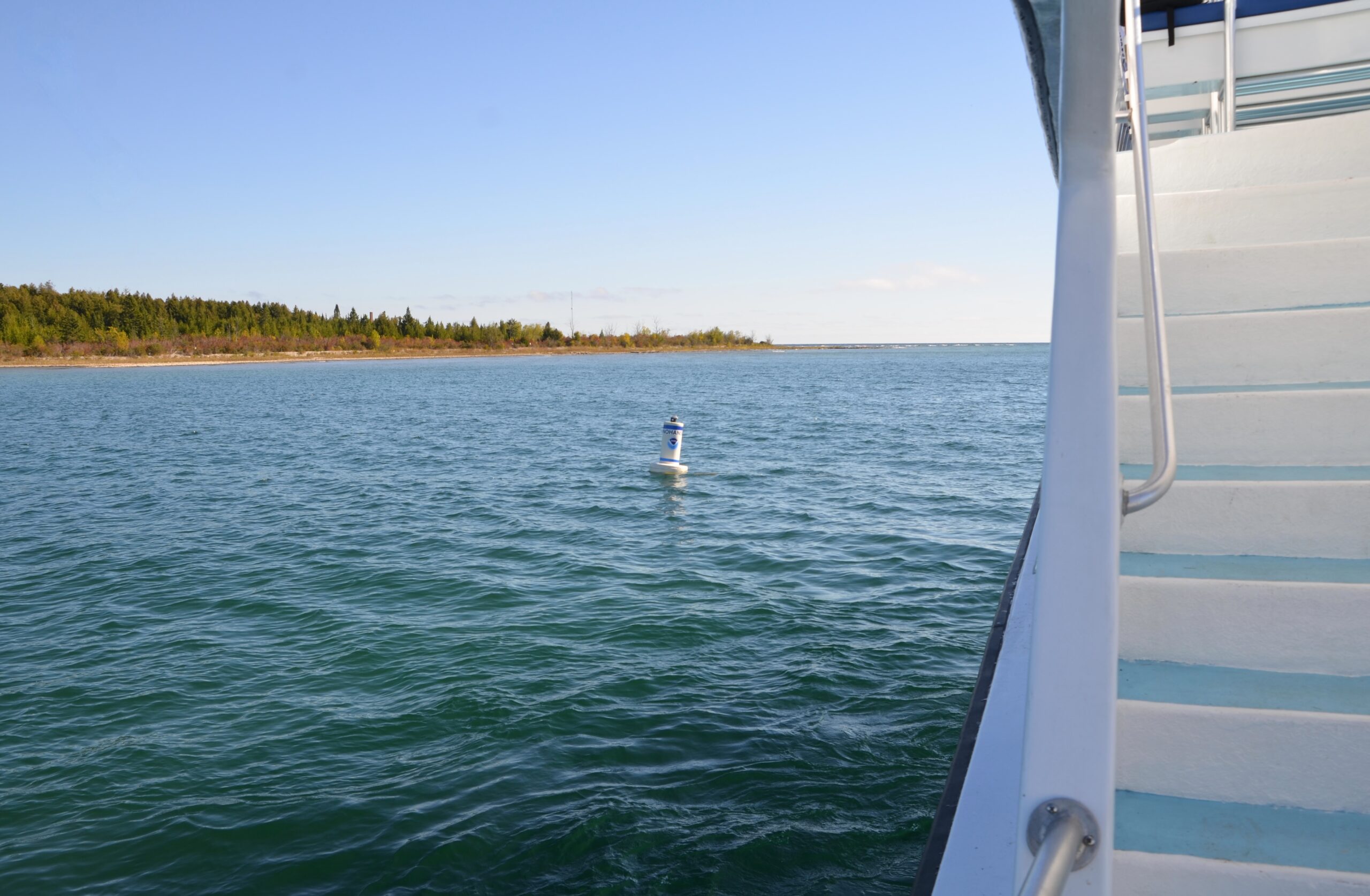
After 15-20 minutes of time with the New Orleans, the Lady Michigan took us over to the southern end of Thunder Bay Island to see the wreck of the Monohansett.
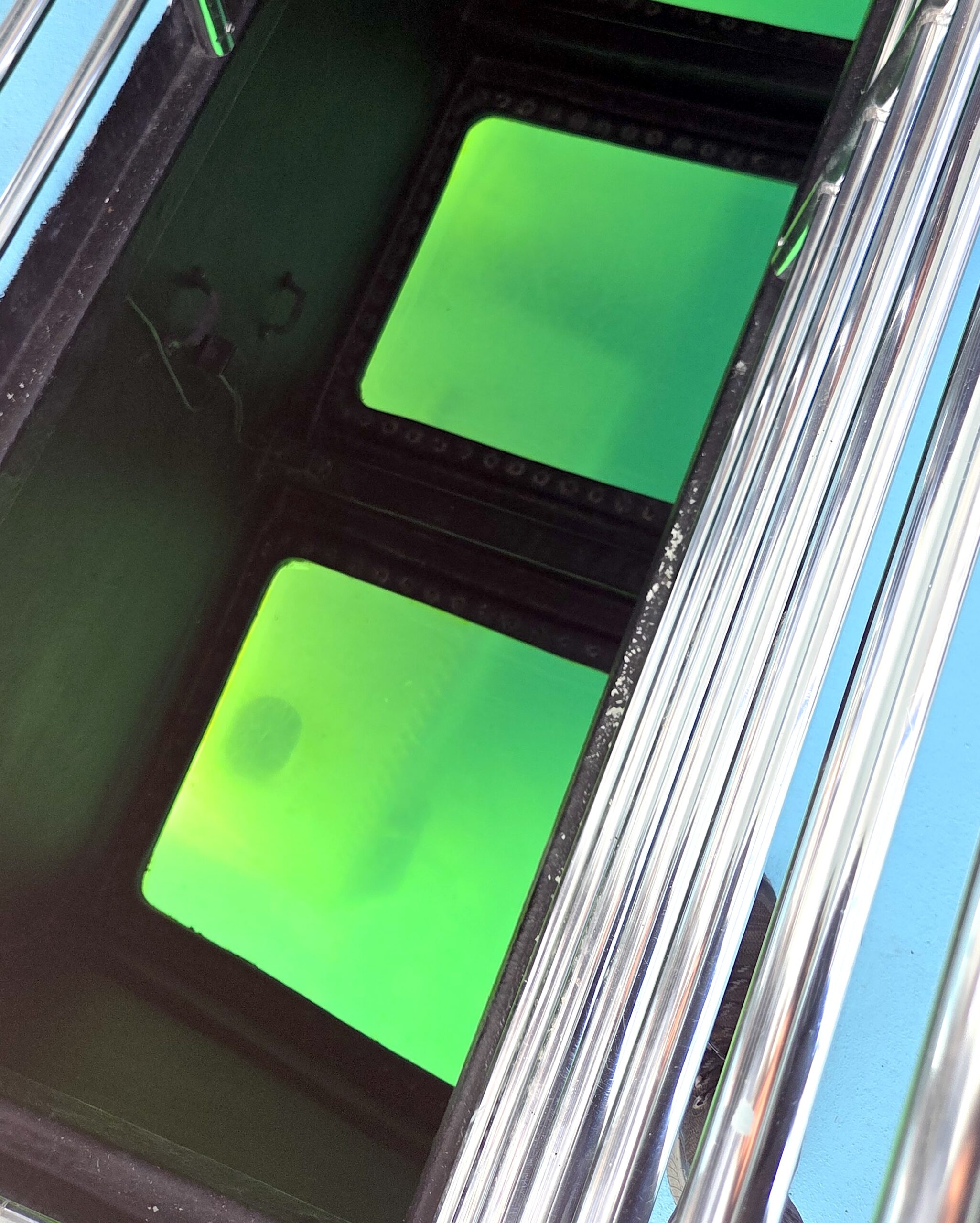
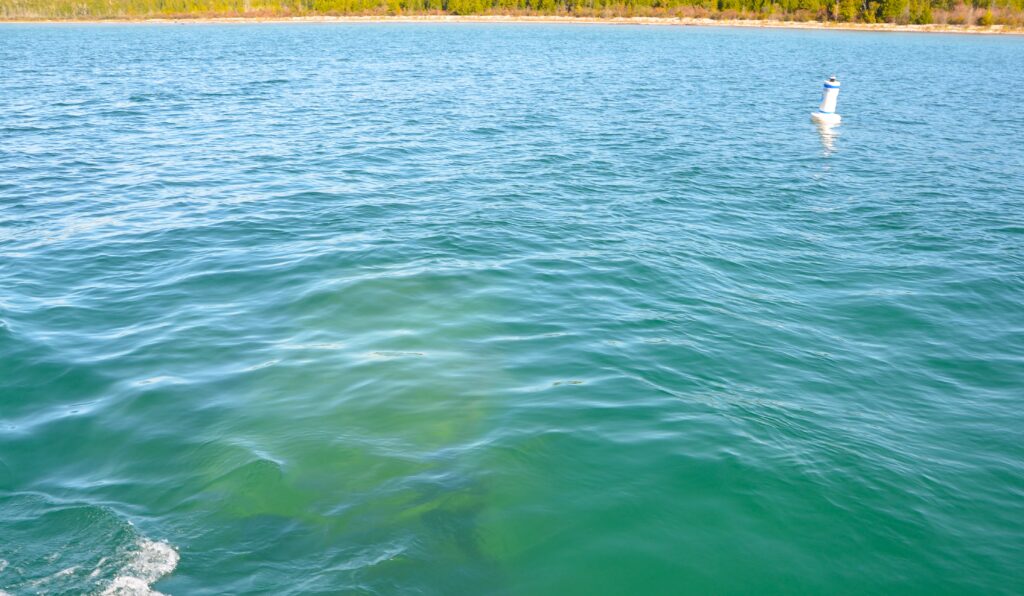
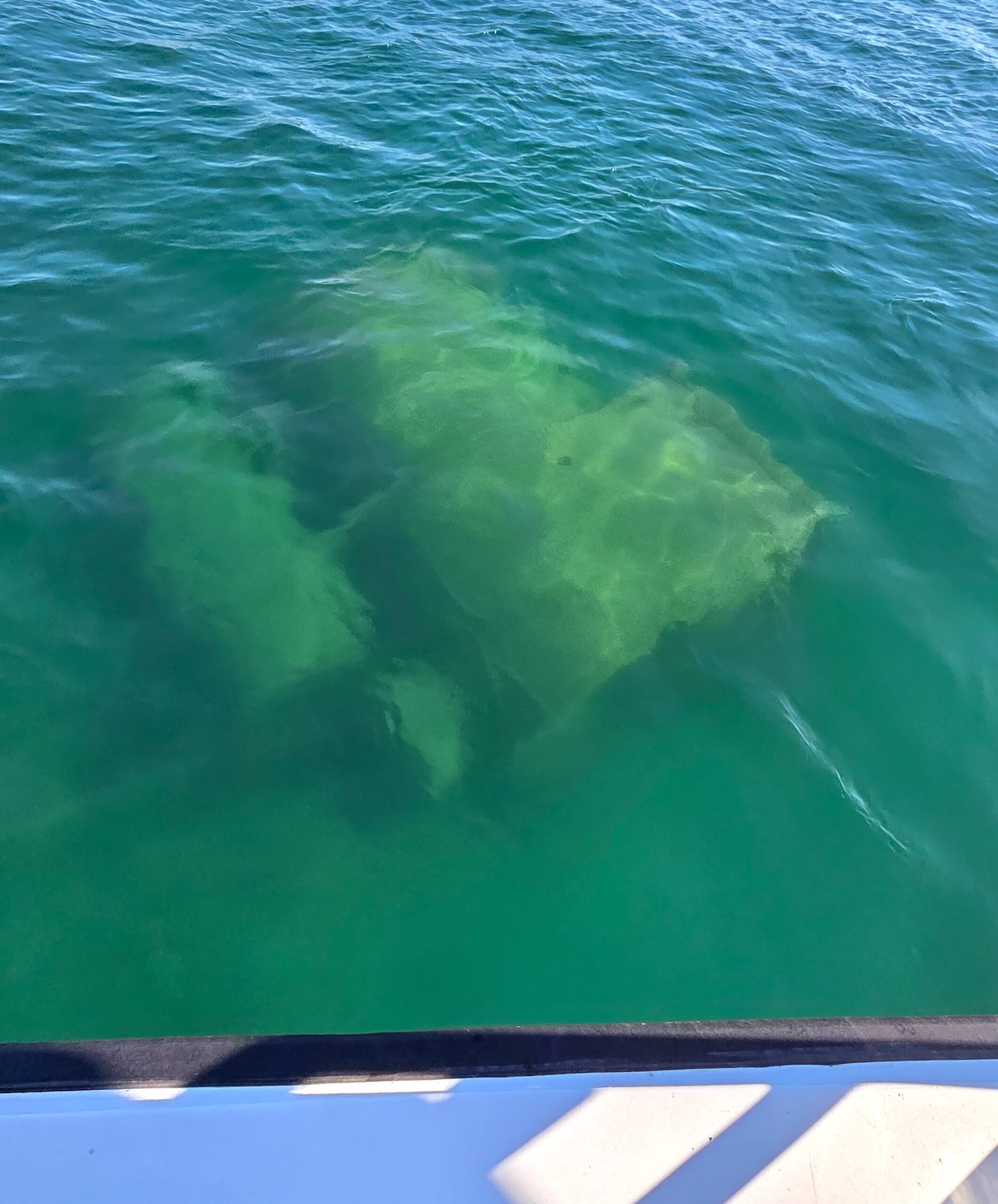
The Monohansett was a wooden barge that caught fire here after seeking shelter from a storm. The crew was saved by the nearby Thunder Bay Island Life Saving Station. The wreckage here includes a boiler, propeller, and a large section of the hull. The water here is about 18 feet deep and while it wasn’t quite as clear as the previous wreck we could still see it through the glass bottom and I got a slight view of the boiler from the upper deck of the boat.
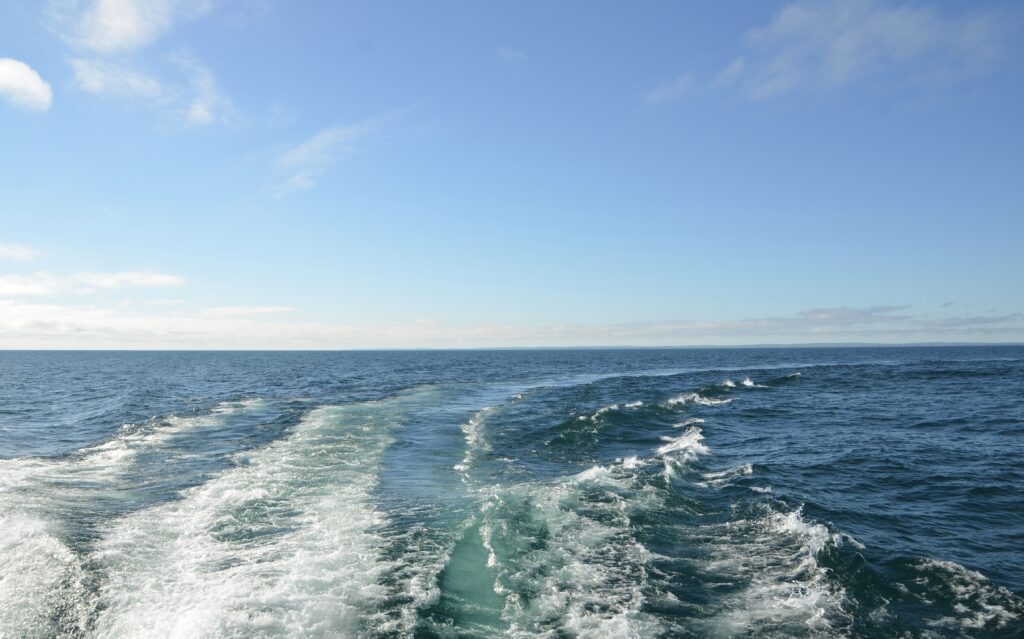
After a few more passes over the Monohansett we were headed back to Alpena. Being on the water on such a beautiful day made the trip even better, and a half hour later we were once again passing the same landmarks as we had passed on the way out:
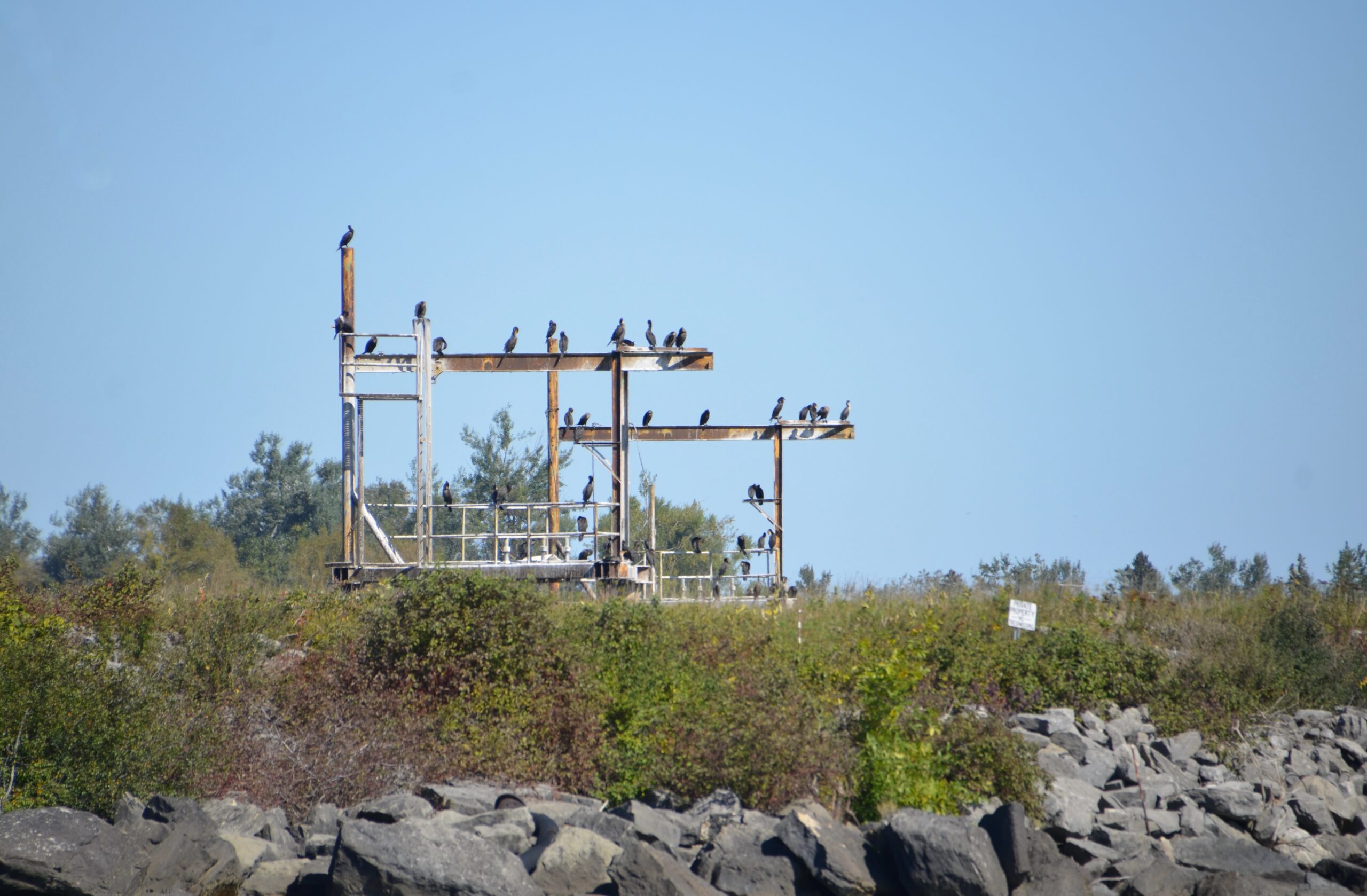
A group of cormorants were hanging out near the mouth of the river.
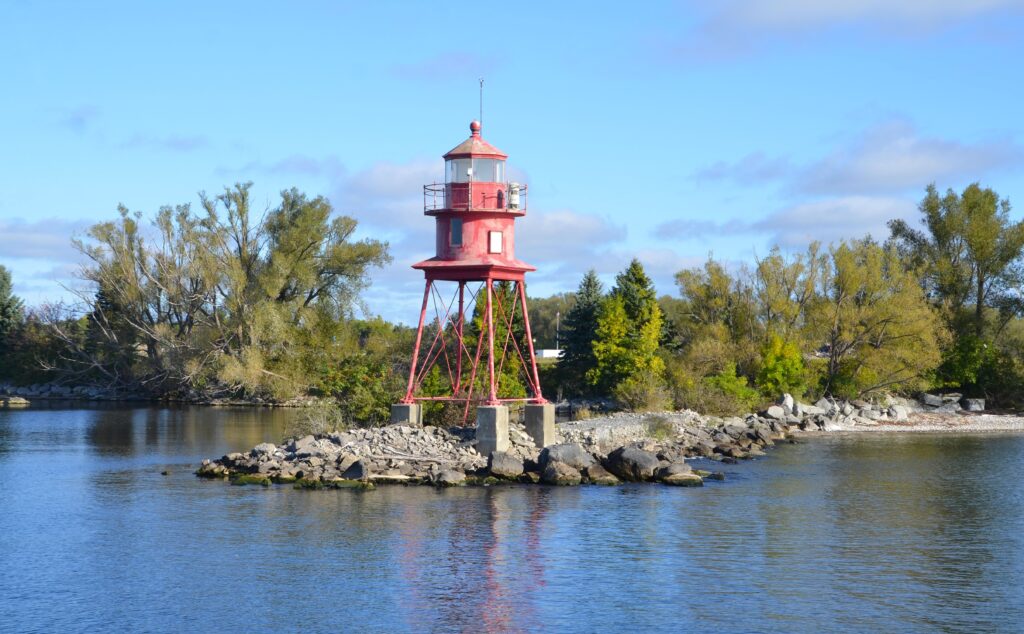
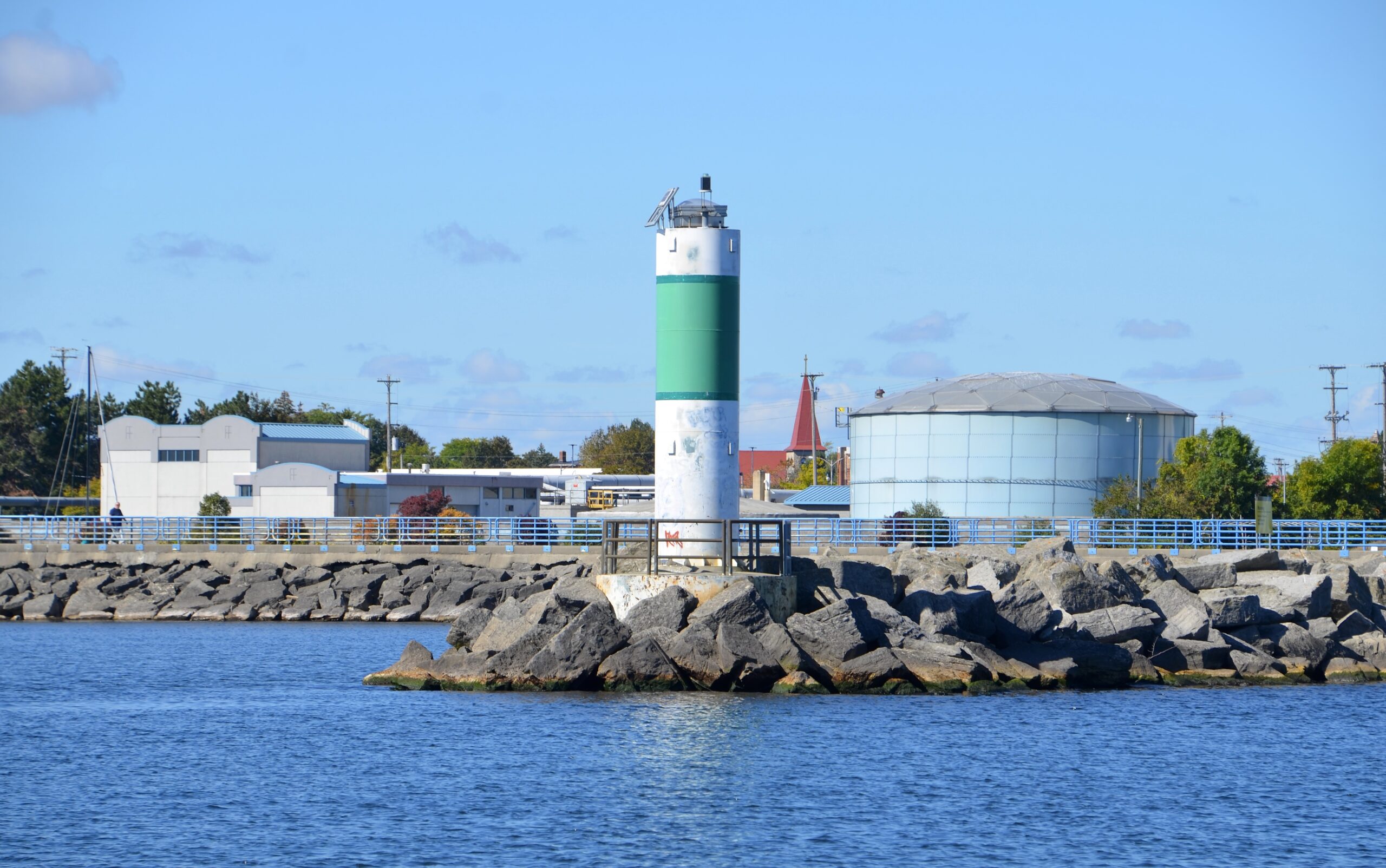
We got to see the Alpena Light once again, as well as the small cynlindrical tower on the south breakwater.
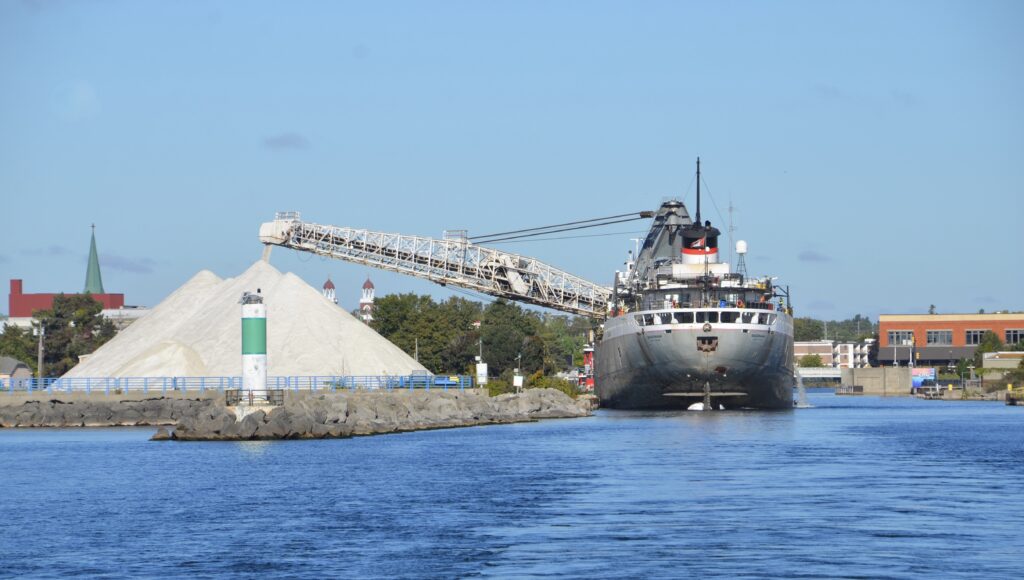
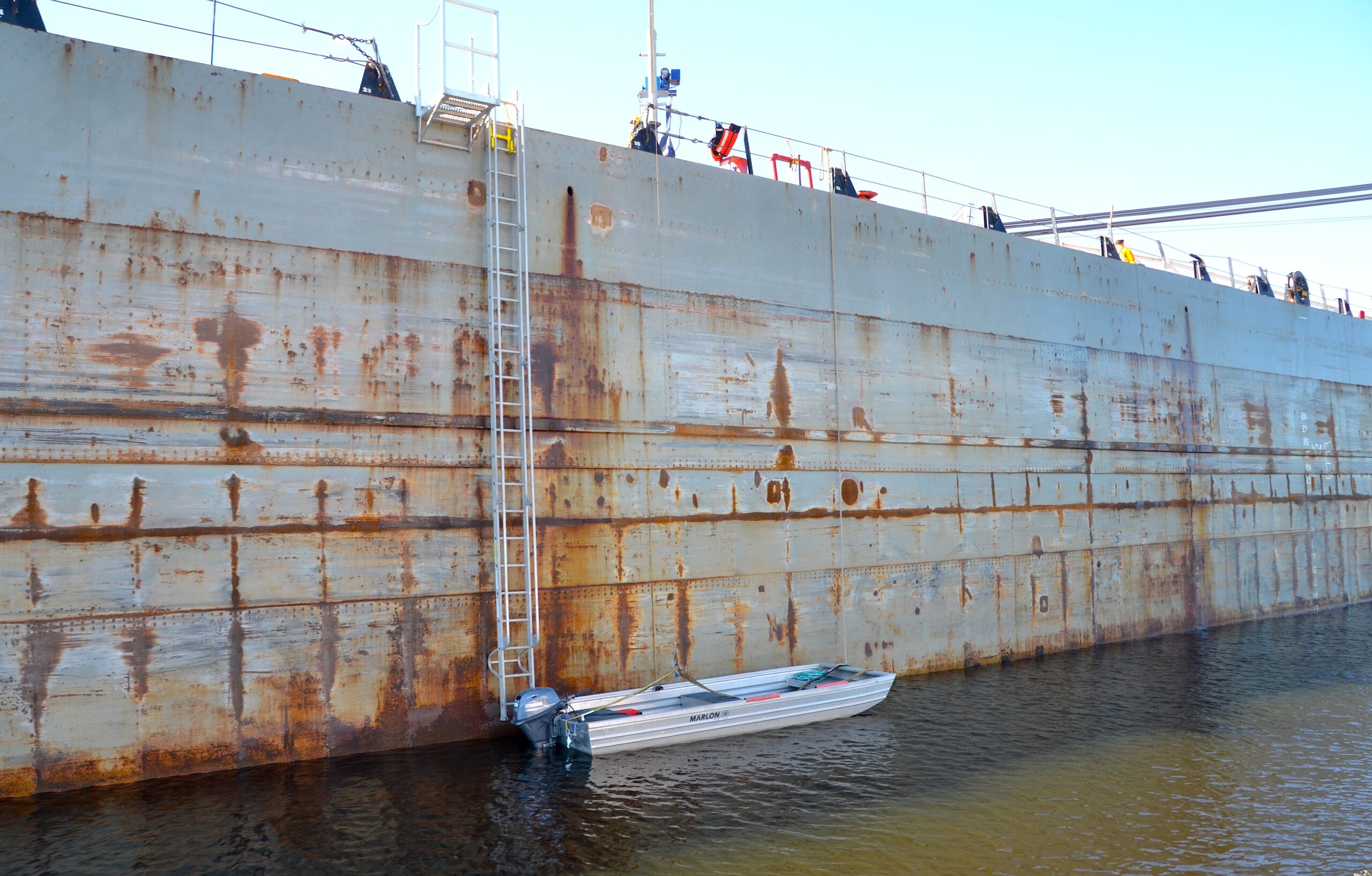
The Saginaw was still unloading, so I made sure to get some more pictures of it since we may never get this close to it again.
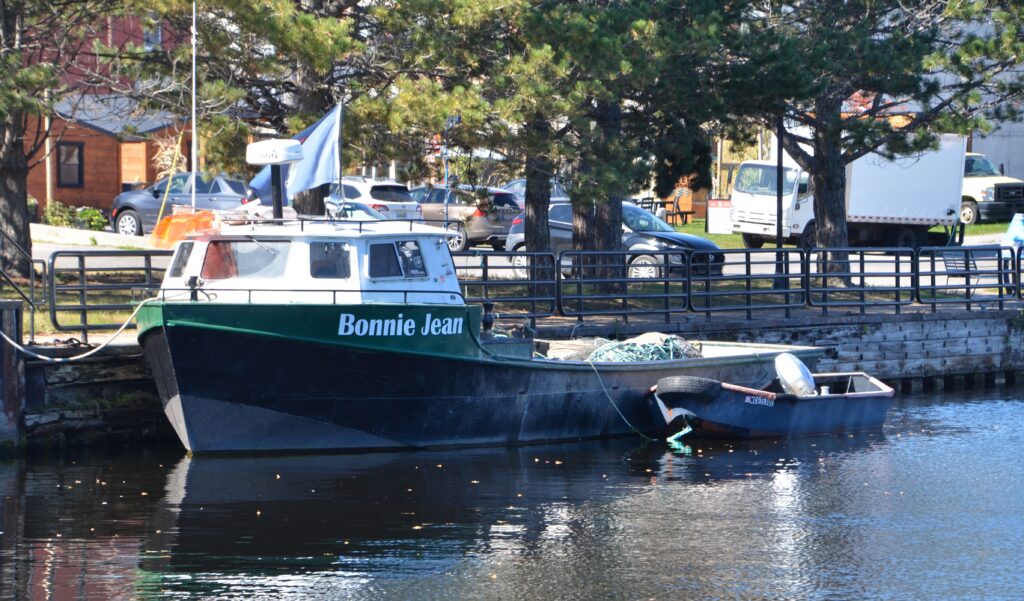
We also passed the local fishing boat Bonnie Jean.
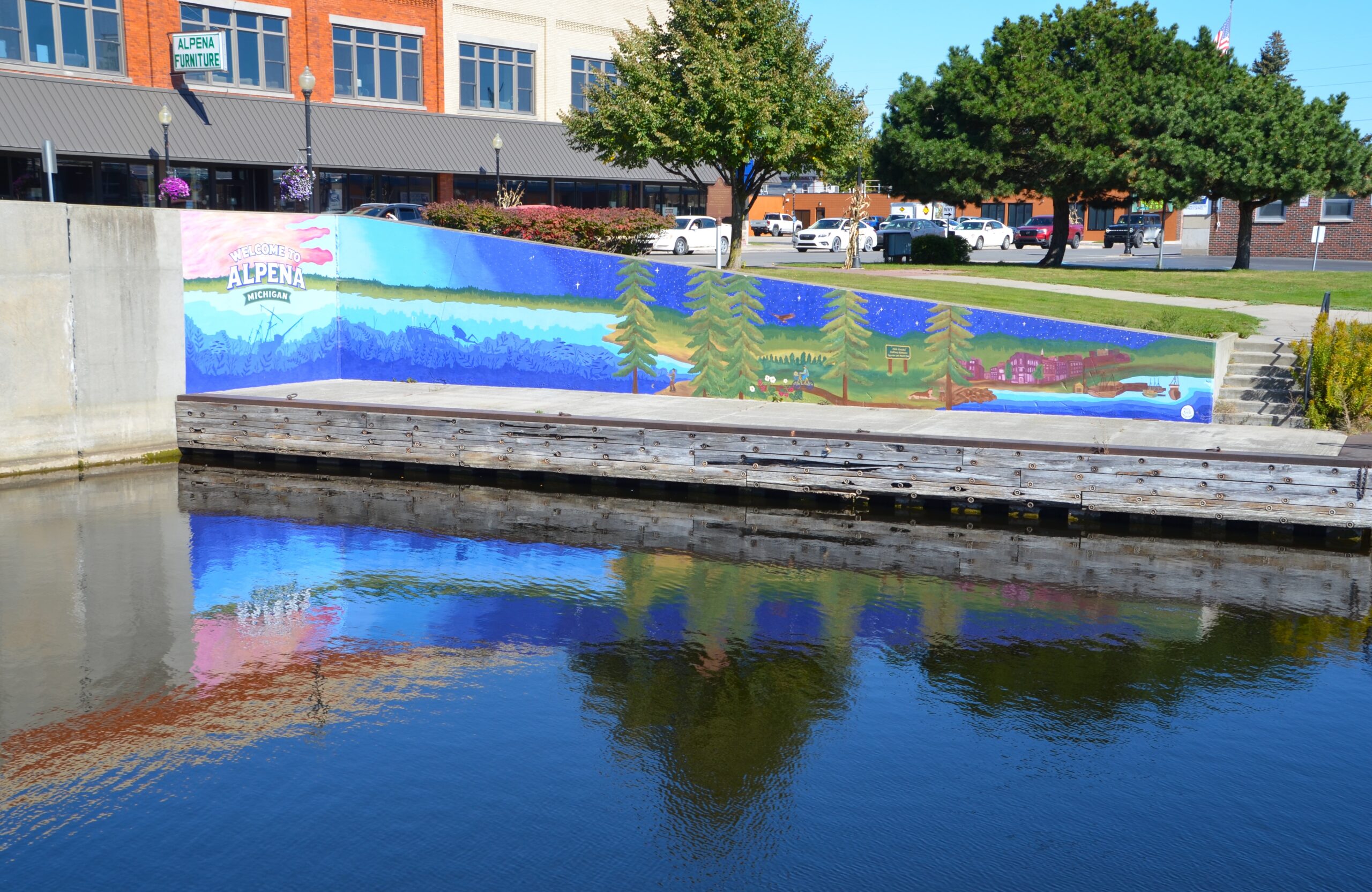
The new “Fresh Waves” mural by artist Molly Keen is a great addition to the Second Avenue bridge.
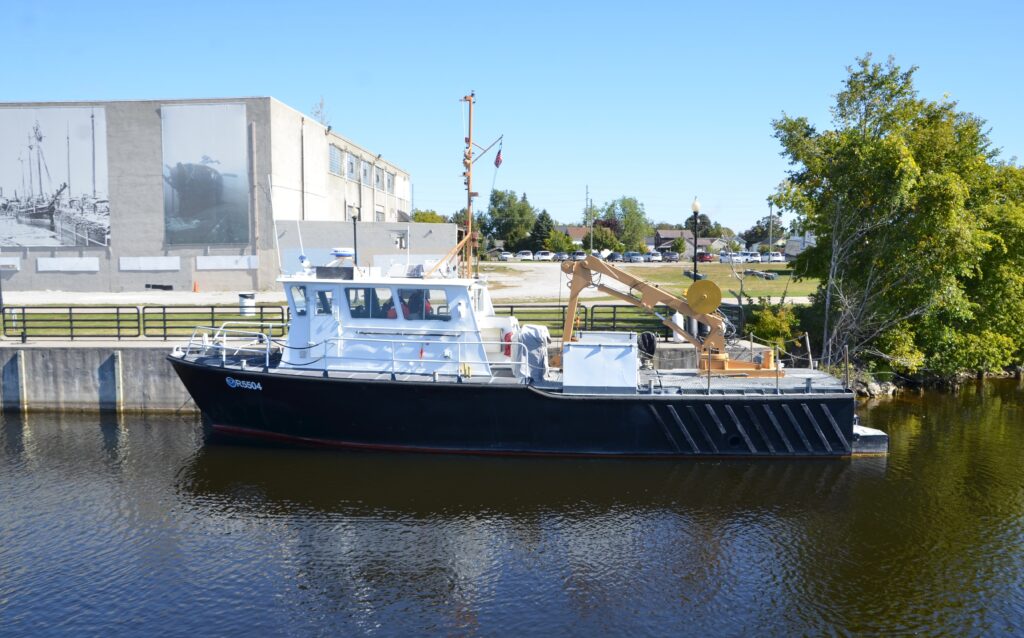
This NOAA research vessel was docked near the shipwreck tour boats.
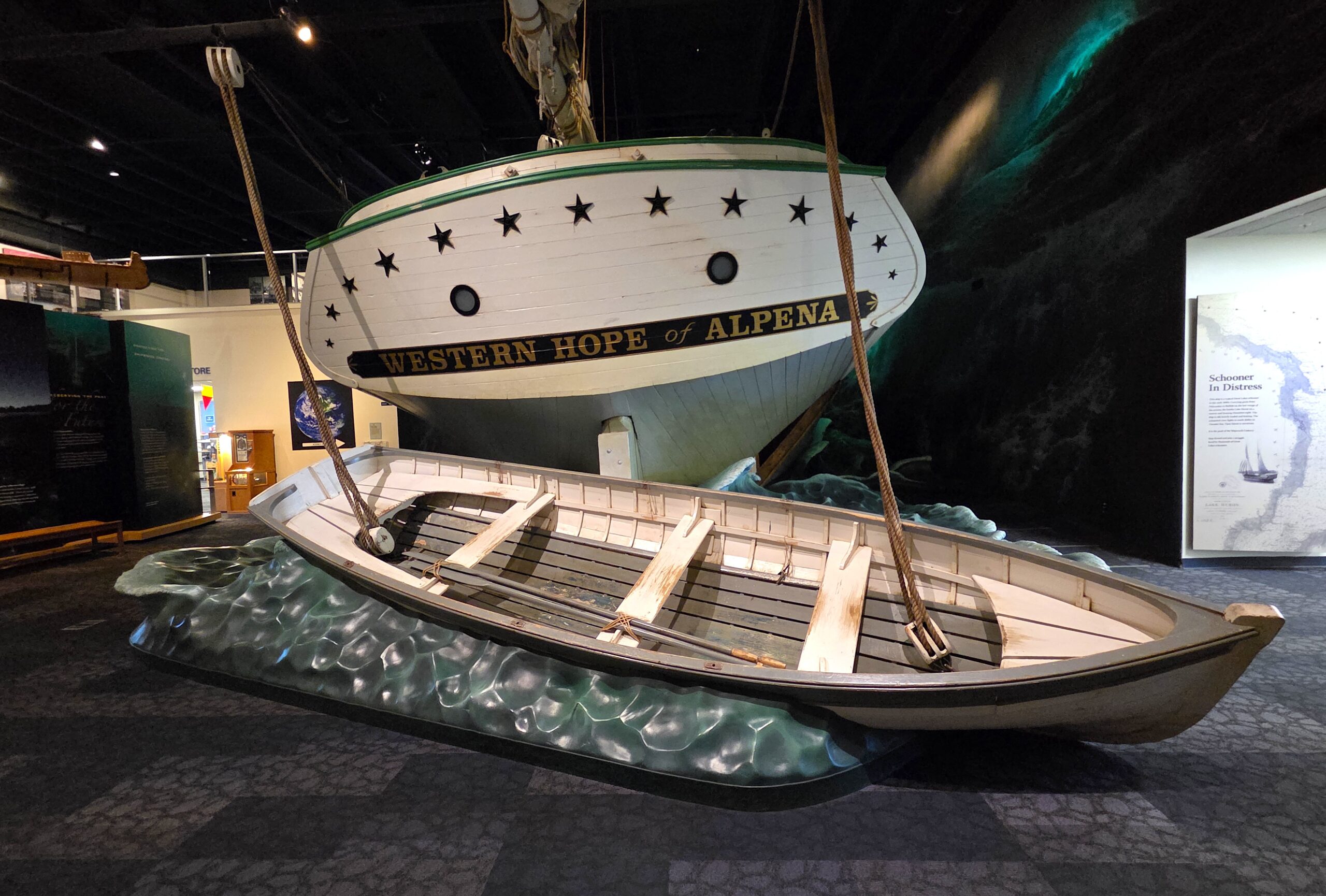
We enjoyed our trip and seeing and learning about the shipwrecks of the Thunder Bay National Marine Sanctuary. This is an excursion you definitely want to check out if you’re in the Alpena area next summer! Be sure to stop in to the Great Lakes Maritime Heritage Center to learn more about shipwrecks, preservation efforts, and the maritime history of the area.
Disclaimer: This story is auto-aggregated by a computer program and has not been created or edited by Worldtravelers.
Publisher: Source link
Publisher: Source link


Latest Posts
-
 31 July 2025
 -
 26 July 2025
 -
 14 July 2025
 -
 07 August 2025
 -
 01 July 2025
 -
 29 July 2025
 -
 20 February 2025
 -
 04 February 2025
Get The Best Blog Stories into Your icountox!
Sign up for free and be the first to get notified about new posts.