
New York blogs
New York State offers travelers the opportunity to explore places where the pursuit of freedom unfolded. Across small towns, historic villages, and cultural landmarks, abolitionists, freedom seekers, and Black communities helped shape the nation’s journey toward liberty.
Today, visitors can experience these powerful stories through museums, preserved homes, and historic landscapes across the state—while discovering hands-on destinations where kids and youth can explore science, nature, agriculture, and creativity. From storied sites that trace the path to freedom to interactive destinations where families can dive into everything from nature to creativity, New York State offers countless ways to learn while traveling together. Photo credit: @bethelwoodscenter on Instagram
Credit: @crossedthedesertsbare on Instagram
Travelers can explore Harriet Tubman’s legacy across New York through the Travel With Tubman initiative, which connects historic sites tied to her life and the Underground Railroad. After escaping slavery, Tubman made New York State a center of her work, helping others reach freedom and later settling in Auburn, where she lived for more than 50 years.
 Credit: @nationalpark_familyquest on Instagram
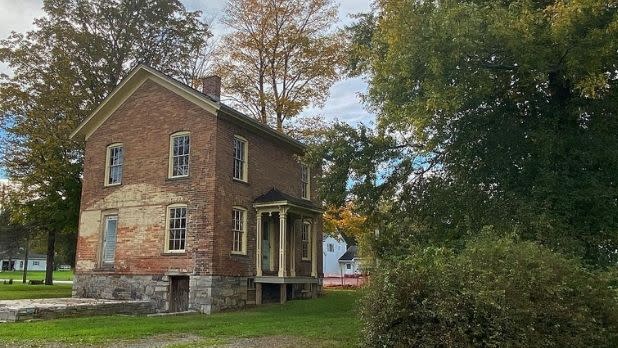
Visitors can follow Tubman’s story through sites across the state—including the Harriet Tubman National Historical Park (pictured) in Auburn, churches, community landmarks, and locations connected to abolitionist networks that supported freedom seekers along their journey north. Together, these destinations offer a powerful opportunity to experience the places and people that shaped Tubman’s enduring legacy.
 Credit: Lee Speary
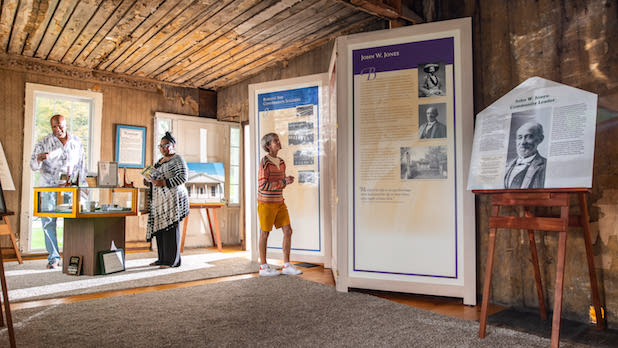
In Elmira, visitors can explore the preserved home of John W. Jones, a formerly enslaved man who became a respected community leader and a key figure in the Underground Railroad. As a station master, Jones helped approximately 800 people escaping slavery reach safety in Canada.
Today, the museum shares his remarkable story while highlighting Elmira’s important role in the broader network of abolitionists who helped guide individuals seeking freedom north. Just across the street is the Woodlawn National Cemetery, where John W. Jones once worked as a sexton, and where he is now buried, alongside other leaders.
The village of Peterboro was once a center of abolitionist activism, and today visitors can experience that legacy at the National Abolition Hall of Fame and Museum. Located in the historic building where the New York State Antislavery Society first met in 1835, the museum honors the individuals who helped lead the movement to end slavery in the United States. Through exhibits and educational programs, visitors can learn about the abolitionists whose courage helped shape the nation’s path toward freedom.
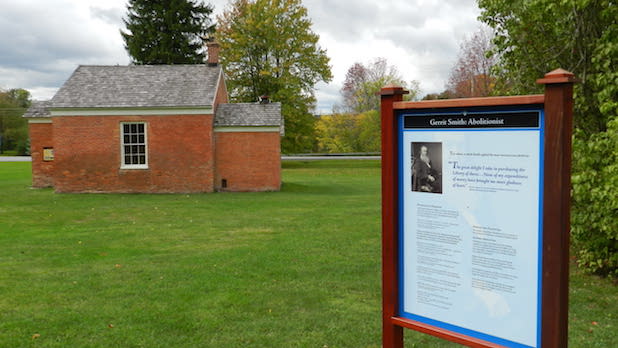
Just minutes from the Abolition Hall of Fame, the Gerrit Smith Estate provides a deeper look at the life of one of the nation’s most influential abolitionists. Smith used his estate as a hub for anti-slavery activism and famously granted land in the Adirondacks to free Black families so they could gain property ownership and voting rights in New York.
Visitors to the estate can learn how Smith’s activism and philanthropy helped build networks that supported those seeking freedom and strengthened the abolitionist movement. The estate also holds a variety of intriguing summer events including a live performance of Songs of Slavery and Emancipation (June 16), The Slave’s Cause: A History of Abolition (June 19), and a reading of “What to the Slave is the Fourth of July?” by Frederick Douglass (July 5).
 Credit: Jess Brock
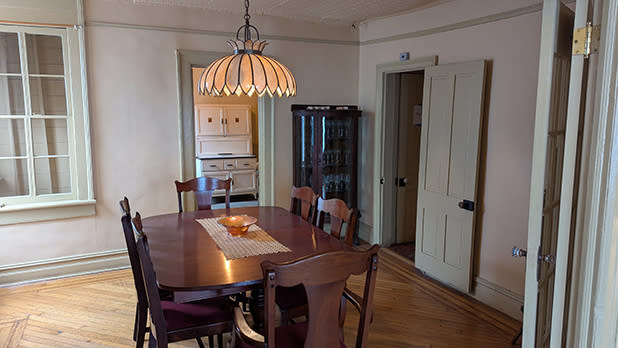
Founded in 1838, Weeksville became one of the largest free Black communities in the United States before the Civil War. The Brooklyn neighborhood included schools, churches, and Black-owned businesses that helped create a thriving community rooted in independence and civic life. Today, visitors can tour preserved historic homes and explore exhibitions that tell the story of this remarkable neighborhood and the people who built it.
 Credit: Will Steacy
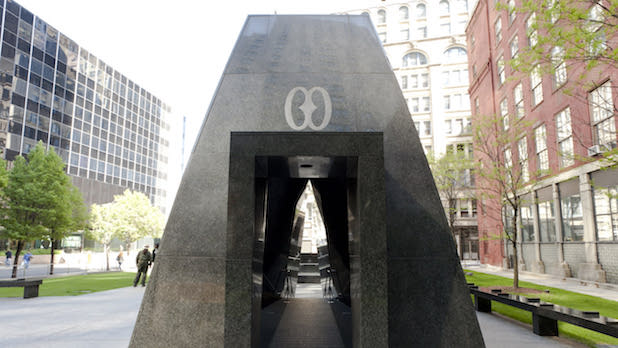
In Lower Manhattan, the African Burial Ground National Monument preserves one of the oldest and largest known burial grounds for enslaved and free Africans in North America. Visitors can explore the memorial and visitor center to learn about the lives of the thousands of Africans who lived and worked in colonial New York, offering a powerful reminder of the city’s early Black history.
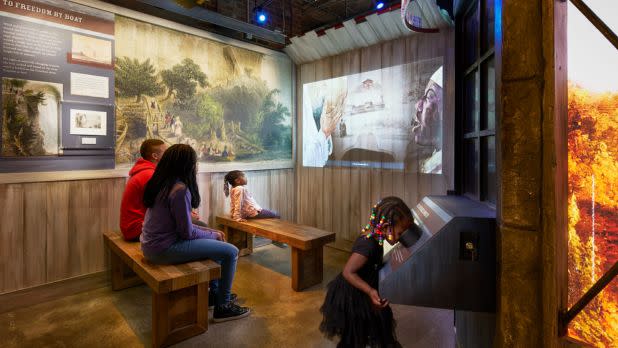
Just steps from the international border, the Niagara Falls Underground Railroad Heritage Center tells the powerful stories of people escaping slavery who crossed the Niagara River to reach Canada. Located in the historic 1863 U.S. Custom House, the museum’s exhibition “One More River to Cross” explores the geography, courage, and networks of abolitionists that helped guide individuals on the final leg of their journey to freedom.
Summer Learning Adventures Across New York State
 Credit: @bethelwoodscenter on Instagram
While these historic sites reveal powerful stories of courage and resistance, summer across New York State also offers countless opportunities for kids to learn through hands-on discovery. Museums, farms, nature centers, and discovery spaces turn curiosity into engaging experiences where families can explore science, wildlife, agriculture, and creativity together. Whether meeting animals up close in Central New York, experimenting with glassmaking in the Finger Lakes, or walking through treetops in the Adirondacks, these destinations make learning feel like an adventure.
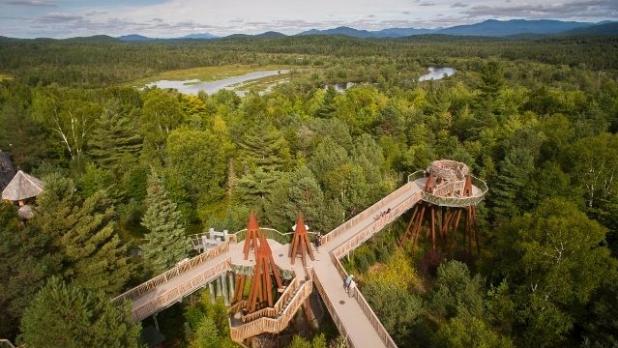
At The Wild Center in Tupper Lake, kids can experience the Adirondack forest from a completely new perspective. The Wild Walk—an elevated trail through the treetops—lets visitors explore nature from bridges, platforms, and giant bird-nest lookouts high above the ground. Inside the center, interactive exhibits and live animal encounters introduce families to the wildlife and ecosystems that make the Adirondacks unique.

At the Lake Placid Olympic Museum, families can explore the history of the Olympic Games in one of the United States’ most iconic winter sports destinations. Located at the Olympic Center in Lake Placid, the museum features interactive exhibits, historic memorabilia, and stories from the 1932 and 1980 Winter Olympics. Visitors can learn about legendary athletes, discover the evolution of winter sports, and experience the excitement of the Olympic spirit while discovering Lake Placid’s lasting role in international sports history.
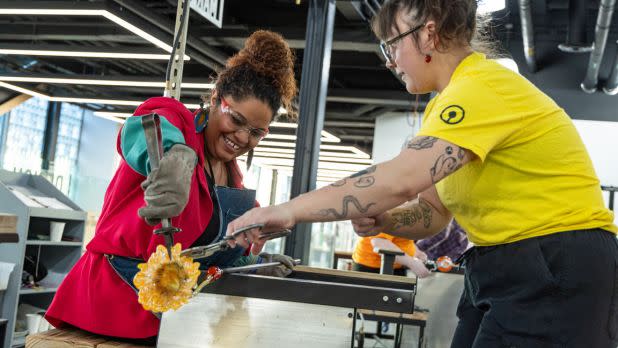 Photo courtesy of the Corning Museum of Glass
Science and art come together at the Corning Museum of Glass, where kids can watch live glassblowing demonstrations and learn how heat, chemistry, and creativity shape molten glass into stunning works of art. In the museum’s Make Your Own Glass studio, families can even create their own glass projects, turning a visit into a memorable hands-on learning experience. Don’t leave without taking a peek at the breathtaking exhibits; the museum houses one of the world’s largest collections of glass objects, spanning 3,500 years. Plus, admission for kids and teens is always free!
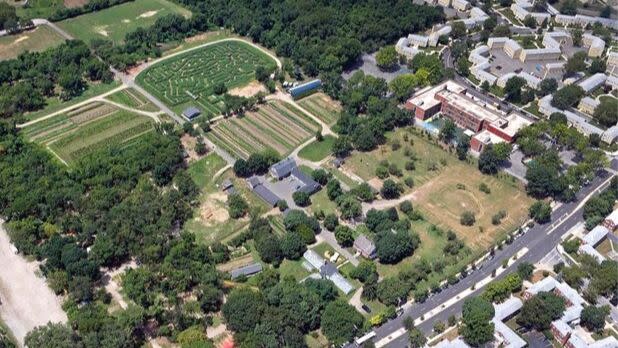
Dating back to 1697, Queens County Farm Museum offers families the chance to explore one of the longest continuously farmed sites in New York State. Kids can meet farm animals, learn how fruits and vegetables are grown, and explore seasonal gardens that highlight the importance of agriculture and local food. Make memories at fun family events like the Strawberry Festival (June 13), Pride on the Farm (June 20), Corn Fest (September 12), and more.
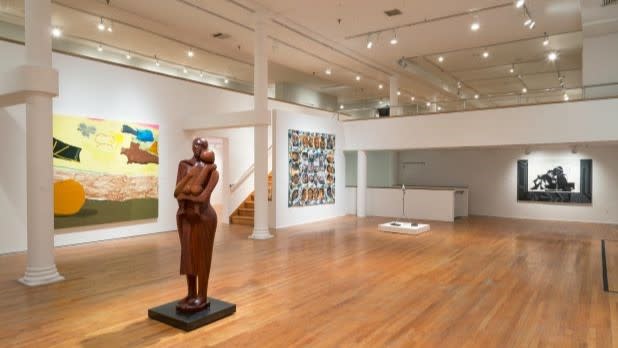
At The Studio Museum in Harlem, visitors can experience contemporary artwork by artists of African descent while learning about Harlem’s long-standing role as a center of Black artistic expression. Through exhibitions and educational programming, the museum highlights the creativity and cultural influence of artists shaping today’s art world. Stop by for Family Tours, Story Times, Drop-In Artmaking, Teen Studio Workshop, and more.
Designed entirely around hands-on discovery, the Long Island Children’s Museum invites kids to experiment, build, and explore through interactive exhibits focused on science, engineering, art, and storytelling. Whether launching rockets, constructing creative designs, or experimenting with sound and light, young visitors are encouraged to learn through play.
Thousands of marine animals fill the tanks at Via Aquarium in Schenectady, where kids can learn about underwater ecosystems and ocean conservation. More than 50 interactive exhibits introduce families to species from around the world, while educational programs help young explorers understand how oceans and freshwater systems connect to the environment around them. Feed stingrays, watch schools of fish surround you in the tunnel tank, and learn about snakes, lizards, and turtles at a reptile show.
 Credit: @fenimorefarmcv on Instagram
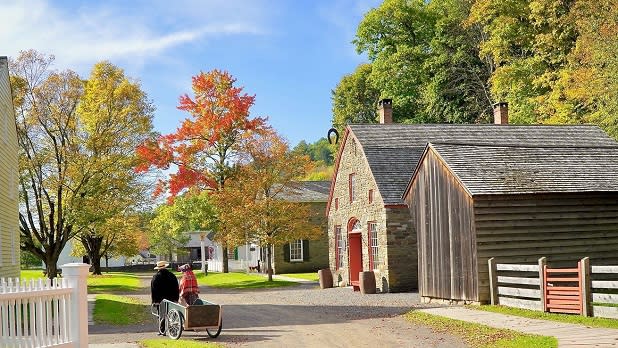
At Fenimore Farm & Country Village, families can step into the rhythms of rural life while learning how farms operated in 19th-century New York. Kids can meet heritage livestock like chickens, cows, and sheep, explore historic barns, and see demonstrations of traditional farming skills that show how food was grown, harvested, and prepared generations ago. Don’t miss out on signature events like the Junior Livestock Show (July 5-7), Fiber Arts Weekend (August 22-23), and the Harvest Festival (September 12-13).
 Credit: @slevels07ec on Instagram
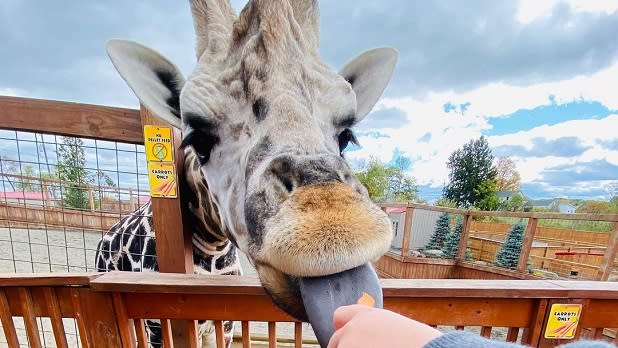
Animal Adventure Park offers kids and families the opportunity to encounter 100 species of wildlife up close while learning about conservation and animal habitats. From feeding giraffes to exploring interactive exhibits about species from around the world, the park encourages curiosity about animals and the environments they call home. Be sure to stop over at Animal Adventure’s Sister facility, The Preserve Safari, where you’ll take a self-driven safari adventure through hundreds of animals including rhinos, giraffes, and more.
Outdoor discovery is at the heart of the Hudson Highlands Nature Museum. Families can explore forest trails, wetlands, and wildlife habitats while learning about local ecosystems through educational programs and nature exhibits designed for young explorers. The museum is home to two locations: The Wildlife Education Center, with animals native to New York State like owls, turtles, frogs, and a red-tailed hawk, and the Outdoor Discovery Center with scenic hiking trails.
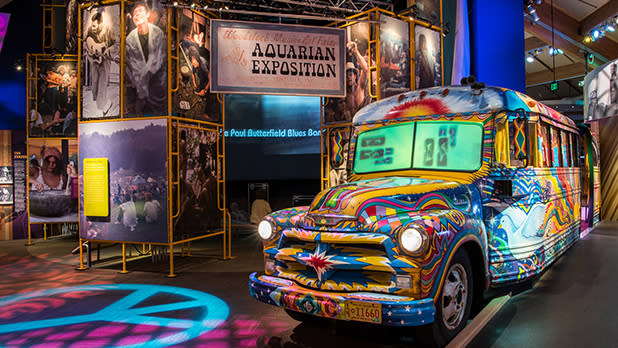
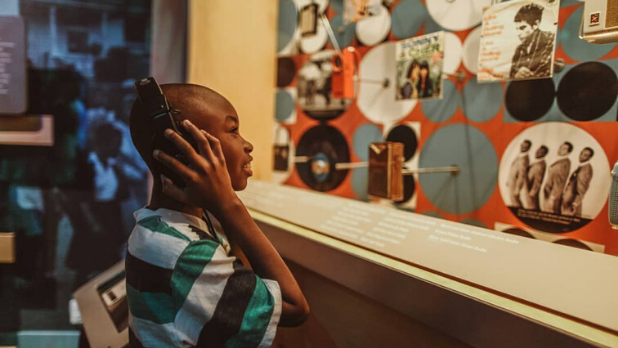
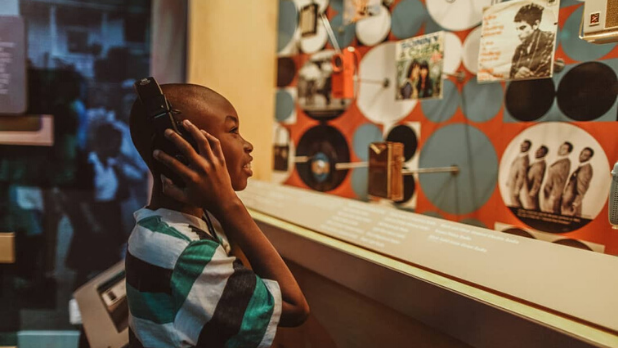
At Bethel Woods, the historic site of the 1969 Woodstock festival, families can explore interactive exhibits in the museum, dedicated to the iconic festival and the 1960s. Dive into music history while participating in summer workshops that introduce kids to creative arts, music, and storytelling.
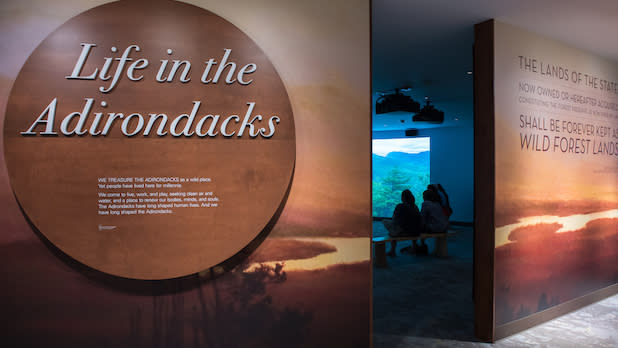
Explore life in the Adirondacks at the Museum on Blue Mountain Lake. Interactive exhibits teach kids about Adirondack wilderness life, logging culture, and outdoor recreation through hands-on activities and immersive displays. Head outdoors for even more family fun with hiking trails, vintage canoes you can take out on the lake, fish feeding, and more.
Where History and Discovery Meet Across New York State
From historic landmarks that tell the story of the Underground Railroad to hands-on destinations that spark curiosity in young explorers, New York State offers families countless ways to learn while traveling together. As the nation approaches the 250th anniversary of its founding, these destinations invite visitors to reflect on the past while inspiring the next generation to discover, explore, and keep learning.
Discover more inspiration through I LOVE NY Black Travel blogs, seasonal guides, and curated experiences—and be sure to tag your travels using #ILoveNY and #iSpyNY
Disclaimer: This story is auto-aggregated by a computer program and has not been created or edited by Worldtravelers.
Publisher: Source link
Publisher: Source link

Latest Posts
-
 31 July 2025
 -
 26 July 2025
 -
 14 July 2025
 -
 07 August 2025
 -
 01 July 2025
 -
 29 July 2025
 -
 20 February 2025
 -
 04 February 2025
Get The Best Blog Stories into Your icountox!
Sign up for free and be the first to get notified about new posts.